
According to the Global Burden of Disease survey, more than one million deaths globally were related to liver disease. While the risk factors varied across regions, from hepatitis B and C infections to alcohol, schistosomiasis, and diabetes, the most prevalent cause of mortality from liver disease was due to liver fibrosis/cirrhosis. The Burden of Disease Survey for Singapore revealed that cancer and liver cirrhosis contributed 3.2 and 0.9% of years of life lost (YLL) out of 182,753 YLL, respectively. Due to the prevalence of this disease and its complexity, it is important that you thoroughly understand what causes it, the risks of leaving it untreated, its symptoms, and who can treat it.
This article will serve as a guide on the topic of liver fibrosis/cirrhosis of the liver, detailing its symptoms and how it is typically diagnosed by a liver specialist. Furthermore, we will give you insight into how Alpha Digestive and Liver Centre’s Consultant Gastroenterologist and Hepatologist, Dr Benjamin Yip, is especially adept at diagnosing and treating this condition.
What is Liver Fibrosis/Cirrhosis: Causes, Symptoms and Risk Factors

Liver fibrosis and cirrhosis are terms that denote the scarring in the liver as a result of chronic (long-term) diseases affecting the liver. Liver fibrosis is the result of repeated or chronic injury to the liver tissue, resulting in defective repair and the formation of scar tissue and fibrosis over time. Broadly speaking, any inflammation, injury, or chronic infection in the liver can cause it.
Liver cirrhosis, on the other hand, is the most severe and extensive degree of scarring in the liver, also known as the final stage of liver fibrosis. At this stage, the scar tissue builds up and forms bands within the liver, affecting the physical structure/shape of the liver, irreversibly damaging the function of liver cells, and the liver is no longer able to repair itself. In summary, the difference between liver fibrosis and cirrhosis is mainly in the physical damage they incur to the liver.
A few causes of liver fibrosis/cirrhosis are as follows:
- Alpha-1 antitrypsin deficiency (genetic disorder)
- Non-alcoholic fatty liver disease (NAFLD)
- Chronic alcohol use
- Hepatitis B and C (viral hepatitis)
- Autoimmune hepatitis
- Haemochromatosis (iron overload in the body)
- Wilson’s disease (a genetic disease causing copper overload)
- Biliary cirrhosis
- Medications (very rarely caused by methotrexate, isoniazid, or methyldopa)
While there are numerous causes, fibrosis and cirrhosis of the liver symptoms are difficult to identify. This is because the condition is often asymptomatic. However, there are a few identifiable symptoms:
- Fatigue
- Easy bruising and bleeding
- Oedema (swelling of the limbs and soft tissue)
- Ascites (fluid accumulation in the tummy)
- Itchy skin (from bile buildup)
- Gynaecomastia (breast development in men)
- Testicular atrophy (in men)
- Drowsiness, confusion (hepatic encephalopathy in severe, untreated cirrhosis)
If you experience any of the above symptoms, please do not hesitate to consult our experienced liver specialist in Singapore, Dr Benjamin Yip, for a diagnosis and comprehensive treatment solutions. Leaving liver fibrosis/cirrhosis untreated is detrimental to your physical health; the next section of this article will explore the negative impacts of leaving the condition untreated and the potential risk factors of liver cirrhosis.
The Implications of Leaving Liver Cirrhosis Untreated
As liver cirrhosis progresses, the amount of healthy liver tissue decreases. If left untreated for prolonged periods, it will cause liver failure. Therefore, timely intervention is crucial as the liver performs many functions in our body, such as:
- The production of bile
- The production of proteins for blood plasma
- The production of cholesterol
- The production of immune factors
- Regulation of amino acids in the blood
- Regulation of blood coagulation
If you suspect that you may have liver fibrosis/cirrhosis, it is important to get yourself tested. Let us explore a few diagnostic methods and available treatment options for liver fibrosis and cirrhosis in Singapore.
A Liver Specialist’s Diagnostic Methods and Treatment Options for Liver Fibrosis/Cirrhosis
As liver fibrosis/cirrhosis can present no symptoms, it is important to get regular check-ups done. There are many liver function tests in Singapore that your liver specialist may suggest you get done. In combination with this, they may also suggest the following diagnostic tests:
- CT Scan of the liver
- MRI Scan of the liver
- Ultrasound of the abdomen
- Magnetic Resonance Elastography (MRE)
- Transient Elastography (TE) or FibroScan
After conducting these tests, if your doctor concludes that you have liver fibrosis/cirrhosis, there are a few treatment options available. Treatment solutions will mainly involve treating the underlying condition causing the scarring. Additionally, symptomatic management with medications to reduce symptoms, as well as utilising supplements for deficient minerals, are common treatment methods. Your doctor will prescribe the appropriate treatment option depending on the severity of the liver fibrosis/cirrhosis. However, in a situation where the liver is no longer able to function, a liver transplant may be recommended.
If you suspect that you or your loved ones are suffering from liver fibrosis/cirrhosis and want a personalised treatment plan, visit us at Alpha Digestive and Liver Centre.
Alpha Digestive and Liver Centre: A Patient-Centric Approach to Treatment Solutions
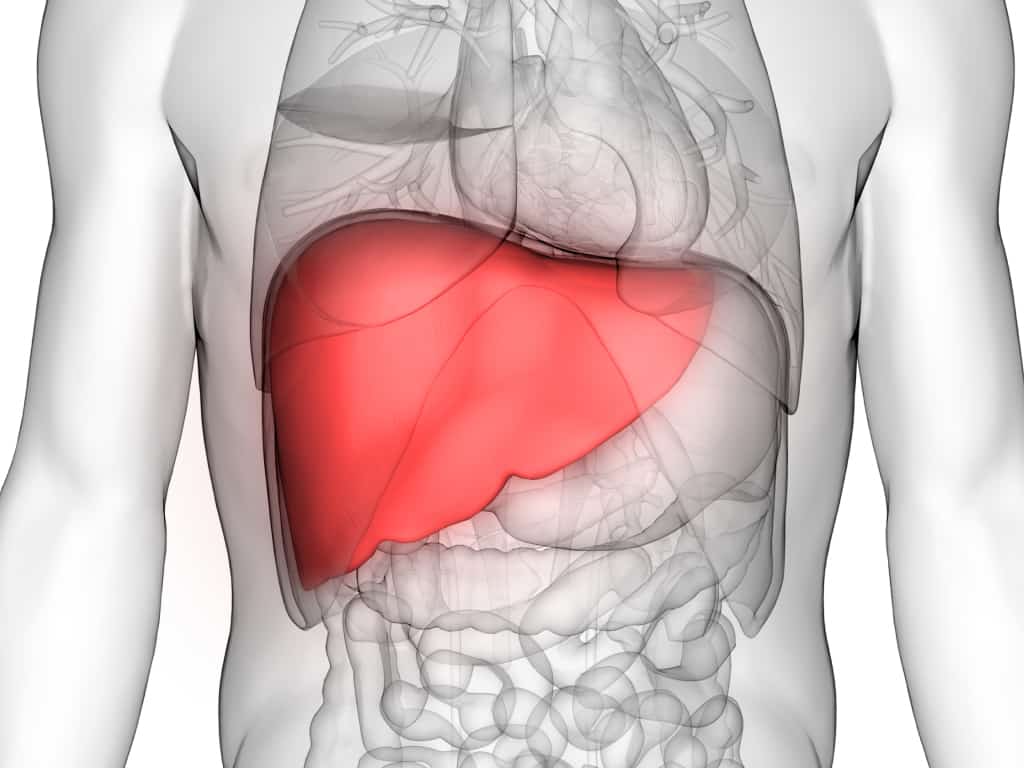
At Alpha Digestive and Liver Centre, we understand the importance of maintaining liver and gut health. That is why we provide personalised and comprehensive treatment tailored to each patient’s needs. Our Consultant Gastroenterologist & Hepatologist, Dr Benjamin Yip, has extensive experience; prior to his private practice, he served in the public sector for almost two decades. He was appointed as a consultant at Khoo Teck Puat Hospital (KTPH) as well as Ng Teng Fong General Hospital (NTFGH).
Book a consultation with us today to improve your liver health.
References
- Muthiah M, Chong CH, Lim SG. Liver disease in Singapore. Euroasian Journal of Hepato-Gastroenterology. 2018;8(1):66-68. doi:10.5005/jp-journals-10018-1262
- Cirrhosis of the liver. Cleveland Clinic. Published April 25, 2025. https://my.clevelandclinic.org/health/diseases/15572-cirrhosis-of-the-liver
- Website N. Non-alcoholic fatty liver disease (NAFLD). nhs.uk. https://www.nhs.uk/conditions/non-alcoholic-fatty-liver-disease/#:~:text=Non%2Dalcoholic%20fatty%20liver%20disease%20(NAFLD)%20is%20the%20term,cirrhosis%2C%20if%20it%20gets%20worse. Published February 20, 2025.
- Oxford Gut and Liver. https://www.oxfordgutandliver.co.uk/conditions/liver-fibrosis-and-cirrhosis/