
What is Stomach Cancer?
Stomach cancer, also known as gastric cancer, is the 7th most common cancer among men and the 9th among women in Singapore, contributing to over 300 cancer-related deaths annually.
Cancer is a disease in which some of the body’s cells grow uncontrollably and spread to other parts of the body. In some cases, this abnormal growth could be related to DNA mutations. There are several risk factors for stomach cancer, including family history and lifestyle or dietary choices. Fortunately, there has been an overall downward trend in the incidence of stomach cancer globally, attributable to increased health screening, eradication of Helicobacter pylori, as well as greater awareness about its risk factors and how to prevent stomach cancer.
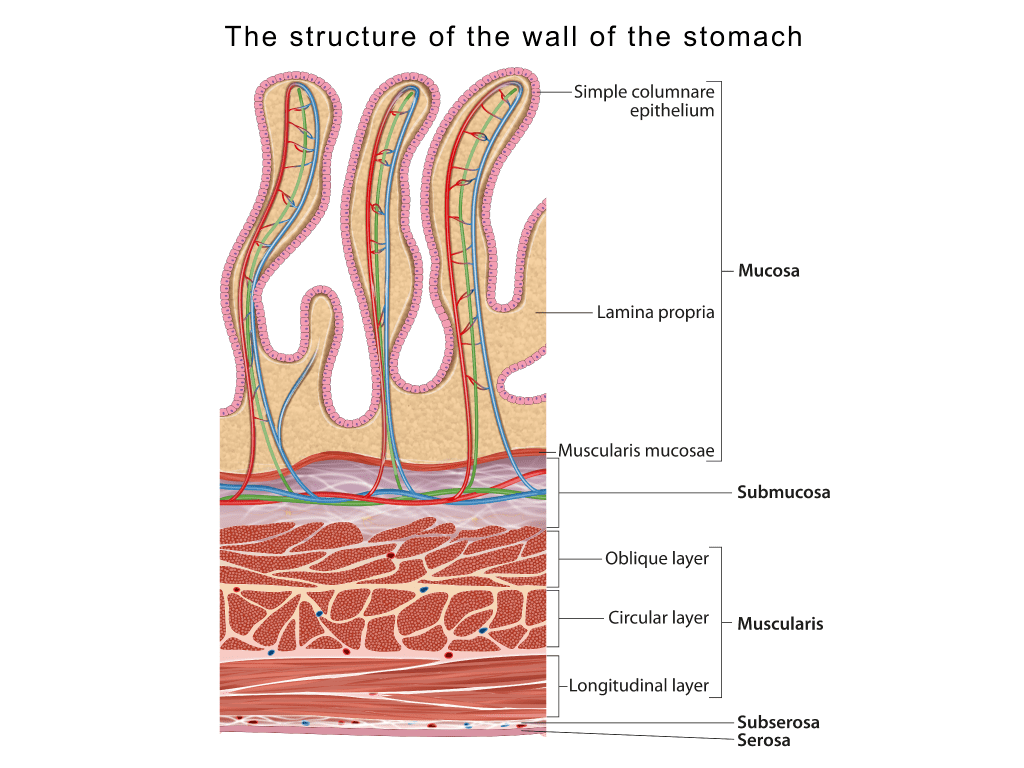
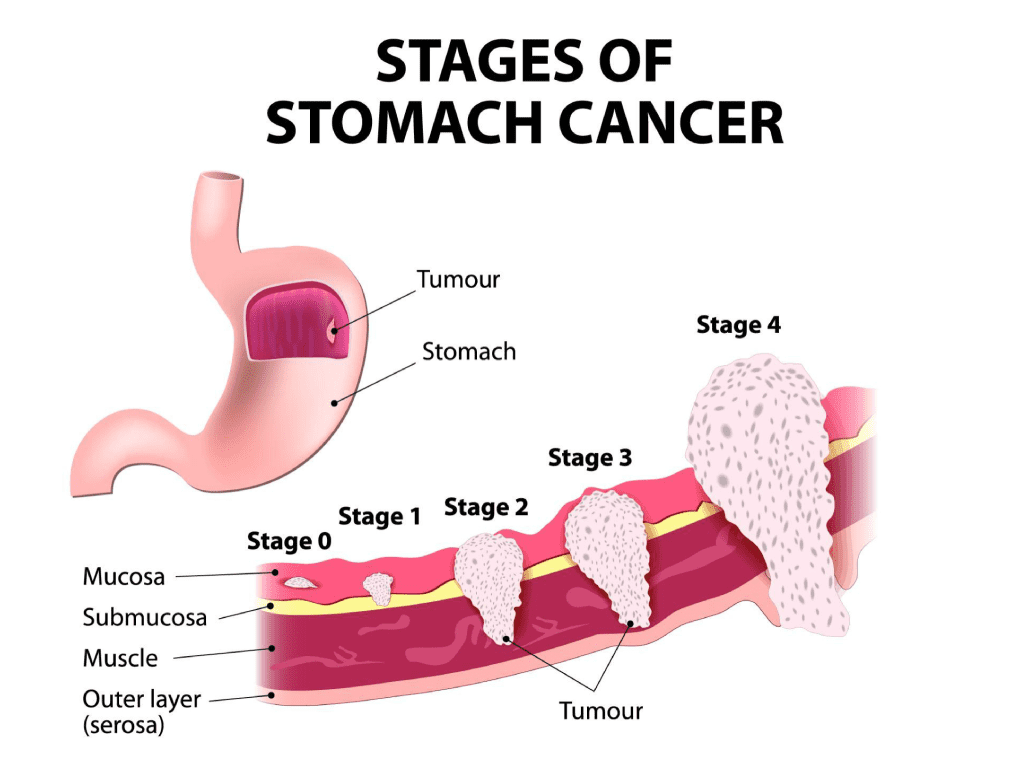
Why Early Detection of Stomach Cancer Matters
Early detection of stomach cancer can significantly improve the chances of survival. When identified in its early stages, stomach cancer may be treated effectively with surgery to remove the tumour before it spreads.
Unfortunately, early-stage stomach cancer often presents with subtle or non-specific symptoms—such as mild indigestion, bloating, or discomfort—that many overlook. Because of this, over two-thirds of patients are only diagnosed at Stage 3 or 4, when the disease is more advanced and harder to treat.
Recognising the warning signs and undergoing timely screening—especially for those at higher risk—can make a critical difference in catching the disease early.
The Impact of Early Diagnosis
The likelihood of survival depends on the stage and available treatment options. According to the National Cancer Institute’s data, the 5-year survival rate for localised stomach cancer (before it has spread beyond the stomach) is 70%. However, once the cancer has spread to adjacent organs or lymph nodes, the 5-year survival rate drops to 32%.
How is Stomach Cancer Diagnosed: Options for Stomach Cancer Screening in Singapore
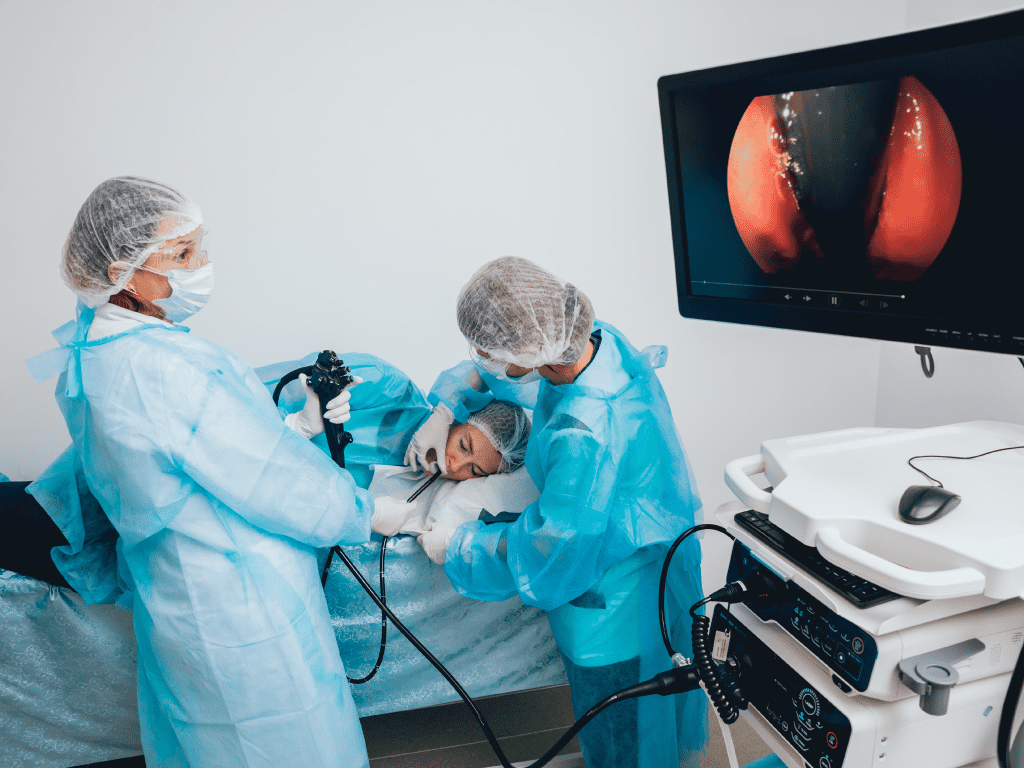
Stomach cancer is diagnosed via stomach cancer screening methods such as a gastroscopy or Oesophago-Gastro-Duodenoscopy (OGD),; they are used to visualise the oesophagus, stomach & part of the small intestine. An OGD is done by inserting a flexible, thin tube, with a camera attached to the end down your throat, enabling your doctor to visualise the structures inside your stomach and take samples of your tissue to confirm the diagnosis of cancer.
Once the diagnosis has been confirmed, the cancer has to be staged in order to determine treatment outcomes. Cancer is diagnosed based on histology (the appearance of cells under the microscope), while staging is determined by the TNM system (Tumour-Nodes-Metastasis).
To determine the stage, a CT or MRI scan is done to assess the size of the tumour, depth of invasion, and whether it has spread to adjacent organs or lymph nodes. A CT scan combines multiple X-ray images into a computer system which generates cross-sectional images of your body, whereas an MRI uses strong magnets and radio waves. If there is suspicion of lymph node invasion, a lymph node biopsy may be done to obtain tissue samples for further examination under the microscope in order to determine the presence of cancer cells.
Is there a Blood test for Stomach Cancer?
Recent advancements in technology have brought about a clinically approved molecular blood test for the early detection of gastric cancer, GASTROClear.
This stomach cancer screening blood test detects cancer-related microRNA tumour marker signatures present in a patient’s blood before stomach cancer symptoms appear, with close to 90% sensitivity. This allows gastroenterologists, such as Dr Benjamin Yip, to assess your risk for stomach cancer and discern whether further diagnostic tests should be done.
Who is at Risk for Stomach Cancer?
There are various well-known risk factors for stomach cancer:
- Chronic infection with Helicobacter Pylori (a bacteria that causes stomach inflammation/ulcers/cancers)
- Chronic gastritis (inflammation of the stomach lining) or other gastritis-related symptoms
- Family history of stomach cancer or other gastrointestinal cancers
- Consumption of unhealthy foods, including smoked foods, salted fish/meat, or pickled foods
- High consumption of alcohol
- Smoking
- A diet without adequate fruits and vegetables
The presence of these alone does not mean you will definitely get stomach cancer; conversely, some stomach cancer patients may have none of these risk factors.
Our gastroenterologist at Alpha Digestive Liver Centre, Dr Benjamin Yip cautions that whilst colorectal cancer screening is widely known, stomach cancer screening is relatively unknown. If you have the risk factors mentioned in this article, it is important to discuss with your Gastroenterologist how best to screen for stomach cancer.
Can Young People in their 20s-30s Get Stomach Cancer Too?
Stomach cancer can affect people of all ages, and delayed detection has been recognised as one of the factors that contribute to low survival rates, especially in the younger age group.
As stomach cancer is more common in the elderly, the diagnosis of cancer in younger adults is often overlooked, even when they present with symptoms suggesting the presence of stomach cancer. By the time the cancer is detected, the cancer may have reached a more advanced stage. This, delayed of window of opportunity results in an average survival of less than 6 months.
If you are a young person with a family history of cancer, especially gastrointestinal cancers, it is essential to go for regular screening and be vigilant for any stomach cancer symptoms.
How Can I Prevent Myself from Getting Stomach Cancer?
Adopting healthy dietary and lifestyle measures, as well as routine cancer screening, are the easiest ways you can reduce your risk of stomach cancer:
Here are a few steps you can take to minimise the risk:
- High intake of fruits & vegetables, especially those with antioxidants (B carotene, vitamin C, E, and folate)
- Reduce intake of sodium/salt, preserved or pickled foods, red meat, cured meat
- Reduce alcohol intake
- Reduce or quit smoking
- Regular endoscopic screening every 2-3 years
- Helicobacter Pylori elimination
Summary
While stomach cancer isn’t entirely preventable, certain risk factors can be lowered through healthy lifestyle choices and regular screenings. If you experience any of the symptoms mentioned above, please contact us at Alpha Digestive Liver Centre. We will arrange a consultation for you with our gastroenterologist, Dr Benjamin Yip, for a proper diagnosis and personalised treatment plan.
Frequently Asked Questions
Some common symptoms of stomach cancer include:
If you experience any of the aforementioned signs of stomach cancer, do not hesitate to book a consultation with a gastroenterologist at Alpha Digestive and Liver Centre.
To date, it is unclear what the exact cause of stomach cancer is. However, most experts believe that damage to the inside lining of the stomach is a potential cause. Infections in the stomach and long-standing acid reflux are two of the most common risks.
Also known as gastric cancer, stomach cancer is defined by an abnormal growth of cells starting in the stomach. If not treated appropriately, it can grow through the walls of the stomach and spread to other parts of the body, making it harder to cure.
There are a few steps you can take to reduce the risk of stomach cancer:
The best preventative measure you can take is early detection. Early detection of stomach cancer significantly improves your prognosis and facilitates comprehensive treatment.
Schedule a consultation with us today for a diagnosis and patient-centred treatment solutions!
References
- “Case-control study of diet and other risk factors for gastric cancer in Hawaii (United States).” PubMed, https://pubmed.ncbi.nlm.nih.gov/12948286/. Accessed 6 October 2022.
- “Gastric cancer: epidemiology, prevention, classification, and treatment.” NCBI, 7 February 2018, https://www.ncbi.nlm.nih.gov/pmc/articles/PMC5808709/. Accessed 6 October 2022.
- “Stomach Cancer.” Singapore Cancer Society, https://www.singaporecancersociety.org.sg/learn-about-cancer/types-of-cancer/stomach-cancer.html. Accessed 6 October 2022.
- “Stomach Cancer — Cancer Stat Facts.” Surveillance, Epidemiology, and End Results Program, https://seer.cancer.gov/statfacts/html/stomach.html. Accessed 6 October 2022.
- “Stomach cancer in young people – a diagnostic and therapeutic problem.” NCBI, 20 December 2019, https://www.ncbi.nlm.nih.gov/pmc/articles/PMC6983757/. Accessed 6 October 2022.