
What’s a Blocked Biliary Duct and Its Relation to Hepatobiliary Sepsis?
A blocked biliary duct occurs when the normal flow of bile from the liver to the intestines is partially or completely stopped. This prevents bile and waste products, such as bilirubin, from draining properly. As bile backs up and accumulates in the liver, it creates pressure and inflammation within the hepatobiliary system. Over time, stagnant bile can become infected, allowing bacteria to spread into the bloodstream and potentially progress to serious conditions such as hepatobiliary sepsis if not treated promptly.
What Causes a Blocked Biliary Duct?
One of the most common causes of a biliary duct blockage is a cyst in the gallbladder; gallstones migrate into the bile duct and can become lodged, thereby causing a blockage. Congenital conditions such as choledochal cysts may also slow bile flow due to abnormal duct formation. In other cases, bile duct strictures develop from scarring caused by inflammation, injury, or previous medical procedures such as gallbladder removal surgery, gradually restricting bile drainage and increasing pressure within the liver.
A bile duct obstruction may also result from the following conditions:
- Pancreatic, bile duct, liver, or metastatic cancers
- Congenital disorders such as biliary atresia and Alagille syndrome
- Chronic bile duct inflammation, including primary biliary cholangitis and primary sclerosing cholangitis
- Autoimmune pancreatitis or recurrent pancreatitis
- Inflammation from injury, bacterial infection, or parasitic infection
- Mirizzi syndrome
- Previous cholecystectomy
- Radiation therapy
Symptoms of Blocked Gallbladder and Bile Ducts
Symptoms of blocked gallbladder ducts and bile ducts often develop due to underlying conditions that disrupt normal bile flow, including:
- Gallstones lodged in the bile duct
- Choledochal cysts that slow bile drainage from birth
- Bile duct strictures caused by scarring or abnormal narrowing
- Post-surgical scarring following gallbladder removal (cholecystectomy)
- Cancers affecting the pancreas, bile ducts, liver, or from metastasis
- Congenital disorders such as biliary atresia or Alagille syndrome
- Chronic bile duct inflammation, including primary biliary or sclerosing cholangitis
- Pancreatitis or autoimmune pancreatitis
- Inflammation from injury, bacterial, or parasitic infection
- Mirizzi syndrome or prior radiation therapy
These conditions can lead to pain, jaundice, fever, and digestive disturbances when bile flow becomes obstructed.
How Bile Duct Obstruction Is Diagnosed
Diagnosing a bile duct obstruction starts with imaging tests that identify the cause and location of the blockage.
- Ultrasound: first step, detects bile buildup
- CT scan: detailed images of organs and tumours
- MRCP: non-invasive, high-resolution view of bile ducts
- ERCP: confirms diagnosis and allows treatment (stone removal, stent placement)
What is Hepatobiliary Sepsis?
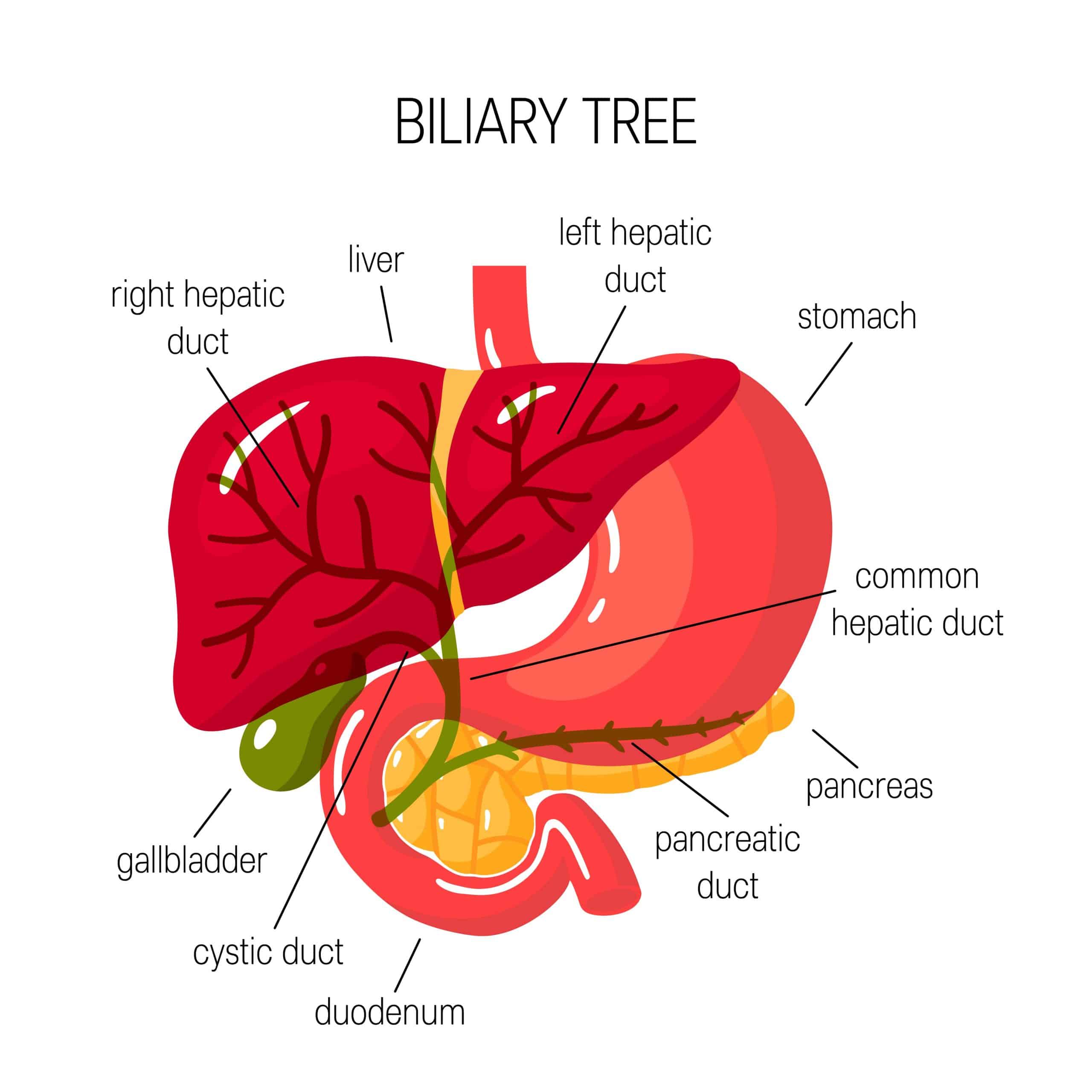
The biliary tract (also known as the biliary tree or biliary system) refers to the liver, gallbladder, and bile ducts (both within (intrahepatic) and outside (extrahepatic) the liver). The term ‘hepatobiliary’ is used to refer to the liver and bile ducts.
The hepatobiliary tract works together to make, store, and secrete bile, which helps us digest the fat in the food we eat. Bile is a product produced by our body that contains water, bile acids, cholesterol, phospholipids, electrolytes, and a compound known as bilirubin. Some components of bile are made by liver cells, while the rest are extracted from the blood by the liver.
Sepsis is a life-threatening medical emergency caused by the body’s extreme response to infection, most often bacterial. It triggers a chain reaction throughout the body that can lead to tissue damage, organ failure, and death if not treated promptly. In cases of biliary tree obstruction, trapped bile allows bacteria to multiply and spread beyond the biliary system, increasing the risk of severe systemic infection.
Note that while sepsis is not contagious (i.e., you cannot spread sepsis to other people), the infection that led to the sepsis might be contagious, and you can spread it to other people around you.
When sepsis occurs as a result of an infection within the hepatobiliary tract, it is referred to as hepatobiliary sepsis. Sepsis of the biliary tract is often a very severe disease due to its course and potential for rapid deterioration.
What Are The Symptoms of Hepatobiliary Sepsis?
As hepatobiliary sepsis is a sign of infection, symptoms commonly include:
- Fever
- Abdominal pain (often severe)
- Nausea and vomiting
- Loss of appetite
- Signs of jaundice
- Yellowing of the eyes/skin
- Itchiness of the body
- Changes in stool colour (turning pale) and urine colour (turning dark yellow)
- Feeling lethargic
- Shivering and feeling cold or ‘chilly.’
- Confusion and disorientation
- Shortness of breath
- Clammy or sweaty skin
How Does Hepatobiliary Sepsis Occur?
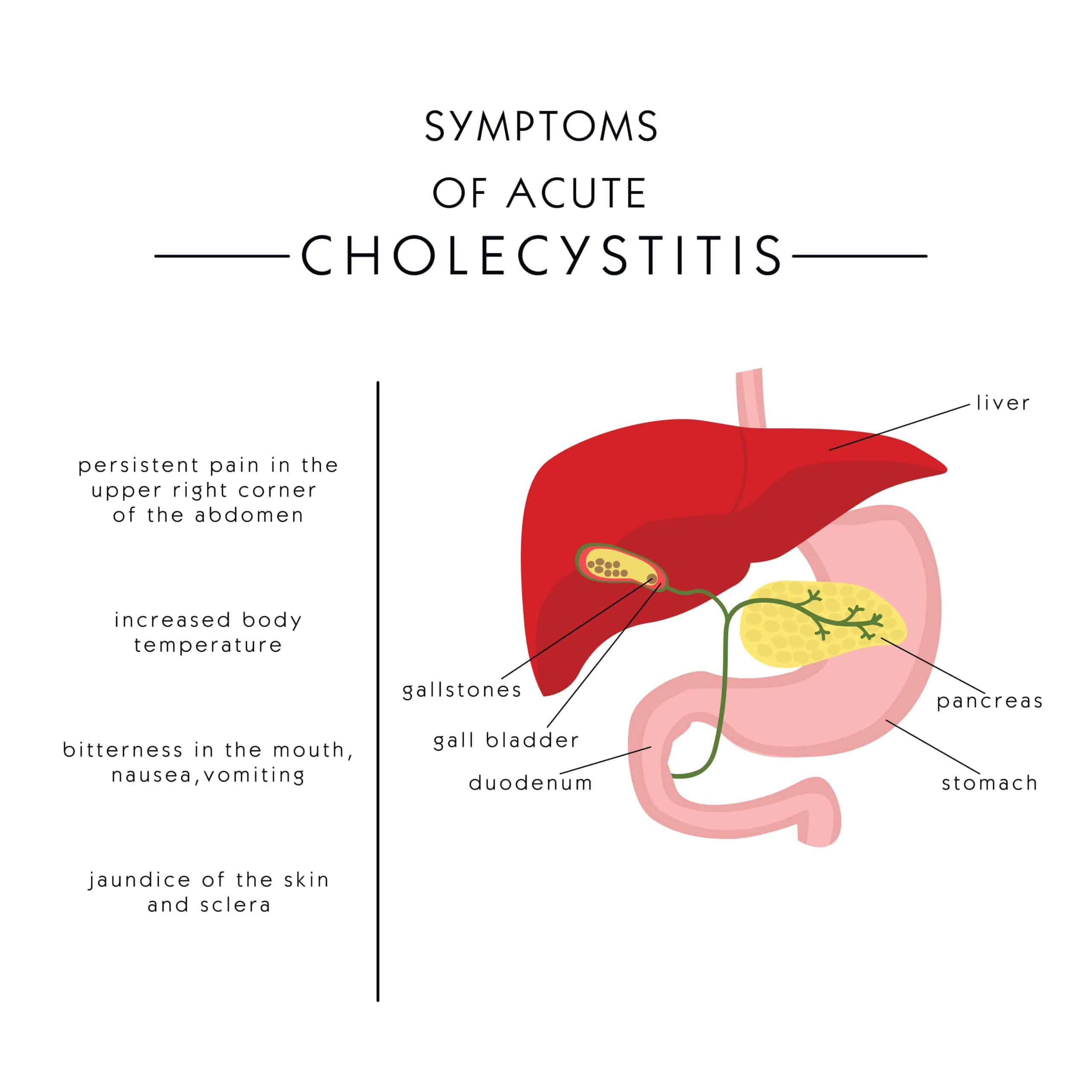
Infections within the biliary tract most often arise from either the gallbladder (in a phenomenon known as cholecystitis) or from the common bile duct outside of the liver (in a phenomenon known as cholangitis). While there are many types of organisms that cause infections, bacterial infections are usually the most serious ones and have the largest propensity to lead to sepsis if it increases in severity.
Gallstones cause blocked biliary ducts which is a common cause of infection. Infections might also happen as a result of previous medical procedures done to the biliary tract, such as surgery or stenting. Other causes of infection include narrowing of the bile ducts (strictures), cancers that grow to either block the hepatobiliary tract or disrupt the normal functioning of the hepatobiliary tract, and infections that might have spread from other places, such as from the lungs in the case of tuberculosis (TB) infections, or from other locations in the gut, such as the large intestine.
How Is Hepatobiliary Sepsis Diagnosed?
Sepsis is a medical emergency. If you suspect that you or a loved one has a serious infection and has any of the aforementioned symptoms, it is important to get prompt medical attention and to act fast.
Hepatobiliary sepsis is usually diagnosed via a thorough clinical assessment. This includes taking a medical history from you, doing a physical examination, and the various investigations that includes blood tests and medical imaging such as X-rays and CT scans.
- When you first meet your doctor, they will begin by taking note of your medical history. This includes trying to get more information about the onset of your symptoms, your own medical history, and a list of medications you may be on, as well as other relevant information that might help in the diagnosis, such as whether or not there may be any previous exposure to infections, prior surgical history, and other risk factors that you might have.
- A physical examination usually involves obtaining your vital signs, such as your heart rate, blood pressure, and oxygen saturation in your lungs, as well as performing quick checks on your abdomen and chest to look for any signs of sepsis. It is important to let the doctor know if you experience any pain on a physical examination because it is important information that might help to pinpoint the location of the infection.
- Blood tests might be taken from you and may be done to check for the presence of any bacteria in your blood.
- Imaging of your body might also be taken through ultrasound scans, a CT scan or an MRI scan. This will be dependent on what information is found out during your history and physical examination, and more details about what might need to be done will be explained to you.
What Are The Treatments for Hepatobiliary Sepsis?

Treatment for hepatobiliary sepsis will usually depend on the cause, course, and location of infection. It will also depend on your physical state. However, some common principles remain for the treatment of all sepsis cases, and these include:
- Antibiotics will be given to you either orally or through an intravenous (IV) drip. Antibiotics work to help kill off bacteria and will be instituted very quickly upon diagnosis of sepsis.
What is an IV Line?
An intravenous (IV) line might be placed into a vein in your arm. IV lines are very effective because they provide direct access to your blood vessels and allow for rapid delivery of fluids and medications.
- If you are in pain, painkillers (analgesics) will also be given to you to help with your symptoms.
- Likewise, if you are running a fever, medications to lower your body temperature (antipyretics) will also be given to you.
Depending on the location of sepsis, you might also need to have surgery or have a drain inserted into your liver to help to drain out the infection. These options will be discussed with you through your care team, and all the appropriate risks, benefits, and alternatives of the various procedures will be explored with you.
As sepsis is a serious medical emergency, treatment is usually very fast-paced and often instituted very rapidly. Thus, if you have any concerns or questions, be sure to bring them up with your gastroenterologist.
When to See a Specialist
Persistent fever, yellowing of the skin or eyes (jaundice), and ongoing abdominal pain are warning signs that should never be ignored, as they may indicate a serious bile duct infection or obstruction. Delaying care can increase the risk of complications such as sepsis and liver damage. At Alpha Digestive and Liver Centre, our specialist, Dr Yip, uses specialised diagnostic and treatment options, including ERCP, MRCP, and endoscopic biliary drainage, to identify the cause quickly and restore bile flow safely. If you are experiencing any of these symptoms, contact Alpha Digestive and Liver Centre promptly for comprehensive evaluation and timely treatment.
Summary
Most cases of hepatobiliary sepsis begin with a blocked biliary duct that prevents bile from draining normally, leading to infection and rapid systemic spread. If left untreated, it can quickly escalate into a life-threatening emergency. Early diagnosis and timely specialist intervention are critical, as prompt treatment can restore bile flow, control infection, and save lives by preventing severe complications.
Frequently Asked Questions (FAQs)
It occurs when the normal flow of bile from the liver to the intestines is partially or completely stopped, often due to stones, scarring, or inflammation.
Yes, congenital cysts such as choledochal cysts can narrow or compress the bile ducts, slowing bile flow and causing obstruction.
It can lead to liver damage, severe infection, jaundice, and potentially life-threatening complications such as sepsis.
Yes, when bile becomes trapped and infected, bacteria can spread into the bloodstream, leading to sepsis if not treated promptly.
Treatment depends on the cause and may include medications, endoscopic procedures like ERCP to remove blockages, stent placement, or surgery to restore bile flow.
References
- Sepsis. (2021, September 10). Www.nigms.nih.gov. https://www.nigms.nih.gov/education/fact-sheets/Pages/sepsis.aspx
- CDC. (2021, January 27). What is sepsis? Centers for Disease Control and Prevention. https://www.cdc.gov/sepsis/what-is-sepsis.html
- Levy, M., Fink, M., Marshall, J., Abraham, E., Angus, D., Cook, D., Cohen, J., Opal, S., Vincent, J.-L., Ramsay, G., Balk, R., Bernard, G., Bion, J., Carcillo, J., Carlet, J., Dhainaut, J.-F., Evans, T., Fry, D., Gerlach, H., & Lowry, S. (2003). E X P E RT PA N E L. Intensive Care Med, 29, 530–538. https://doi.org/10.1007/s00134-003-1662-x
- Cleveland Clinic. Bile Duct Obstruction: Symptoms, Causes & Treatment. Cleveland Clinic Health Library. Published online. Accessed January 20, 2026. https://my.clevelandclinic.org/health/diseases/bile-duct-obstruction#symptoms-and-causes. (my.clevelandclinic.org)