
Colonoscopies often carry a stigma—many people feel anxious, embarrassed, or simply fearful of the procedure. But when it comes to early detection and prevention of colon cancer, a colonoscopy is one of the most effective tools available. With a bit of preparation and the right information, you can go into your colon cancer screening feeling assured and well-informed.
In this article, we’ll break down how to prepare for a colonoscopy, who should get a colonoscopy screening in Singapore, why it’s crucial for early cancer detection, and what potential side effects to look out for.
Why Colon Cancer Screening Matters
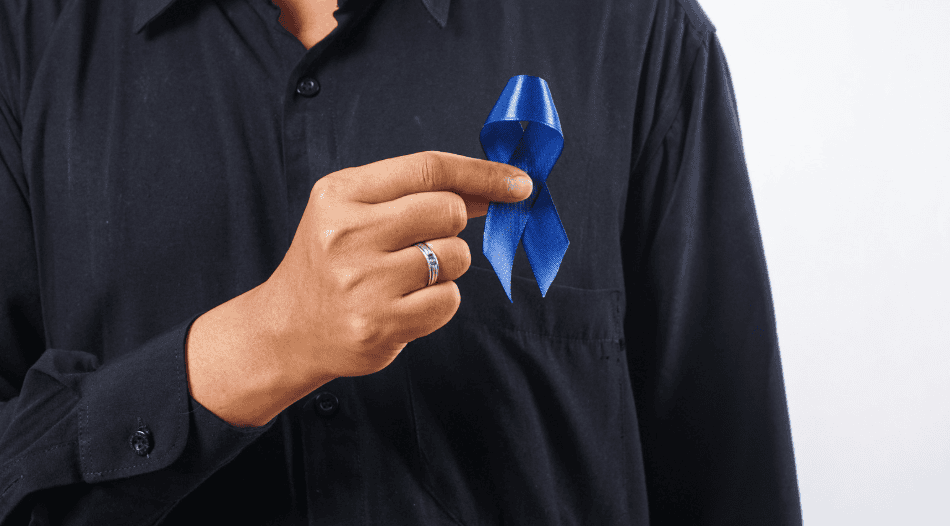
Colon cancer, also known as colorectal cancer, is a type of gastrointestinal cancer that begins in the colon or rectum. It is a leading cause of cancer-related deaths in Singapore. In fact, colorectal cancer affects over 1,865 individuals annually.
Cancer may often begin as small, non-cancerous polyps that grow in the lining of the colon or rectum. The good news is these polyps can be detected and removed during a colonoscopy—long before they have the chance to turn into cancer.
This is why colorectal cancer screening is not just a recommendation—it’s potentially a lifesaving procedure.
What Is a Colonoscopy?
A colonoscopy is a procedure used to examine the inside of your large intestine (colon) and rectum. It involves the insertion of a soft, flexible tube with a built-in camera through the anus. The camera sends real-time images to a monitor, allowing your doctor to check for any abnormalities such as polyps, ulcers, or inflammation.
The procedure typically lasts 15 to 30 minutes and is usually done under sedation for comfort.
Who Should Get a Colonoscopy?
A colonoscopy isn’t just for people experiencing symptoms. It’s a preventive measure that helps detect issues before they become serious. You should consider a colonoscopy if you are in one of the following categories:
- Men and women aged 50 and above
- Individuals with a personal or family history of colon or rectal cancer
- Those with a history of colon polyps
- People diagnosed with inflammatory bowel diseases like Crohn’s disease or ulcerative colitis
Screening should typically begin at age 50, but if you do have risk factors, your doctor may recommend an earlier start.
Preparing for a Colonoscopy: What to Expect
For the procedure to be effective, your colon needs to be fully emptied. Although the preparation may feel uncomfortable, it plays a crucial role in helping your doctor get a clear and accurate view
Preparation usually includes:
- Dietary changes: You’ll likely need to switch to a low-fibre diet for a few days, followed by clear liquids the day before the procedure.
- Laxatives or bowel prep solutions: These are prescribed to help empty your colon. Follow your doctor’s instructions carefully.
Colon Prep Warning: Certain bowel prep solutions may not be suitable for:
- Elderly individuals
- Patients with heart, kidney, or liver conditions
- People with inflammatory bowel disease
- Pregnant women
Dehydration and electrolyte imbalances are potential risks, so always consult your doctor beforehand.
Post-Colonoscopy: Know the Risks and Side Effects
While colonoscopies are generally safe, like any medical procedure, they carry some risk. Most side effects are mild and resolve on their own, but it’s important to recognise warning signs that may require medical attention.
Common side effects include:
- Abdominal discomfort or cramping
- Minor rectal bleeding
- Nausea or dizziness due to anaesthesia
Seek medical attention if you experience:
- Severe or persistent abdominal pain
- Hard or bloated belly
- Vomiting or high fever
- Persistent or severe rectal bleeding
- Trouble passing gas or bowel movements
For some age groups (especially those over 80 years of age), a more in-depth consultation with the doctor may be needed to ensure that the colonoscopy can be carried out safely.
Breaking the Stigma
It’s normal to feel uneasy about getting a colonoscopy—fear, discomfort, and misinformation are common reasons people put it off. But this brief procedure is one of the most effective ways to detect problems early, and taking that step could save your life.
A colonoscopy clinic in Singapore, such as Alpha Digestive and Liver Centre, offers a safe, comfortable environment with dedicated care. Dr Benjamin Yip and his team specialise in gastrointestinal procedures and offer comprehensive consultations to guide you through every step of the process.
Final Thoughts: Screening Saves Lives
Colorectal cancer is preventable and treatable when detected early. Don’t wait for symptoms to appear—by then, it may be too late for initial treatment. A colonoscopy in Singapore is still considered to be a reliable way to detect colorectal cancer early and take preventive action.
Whether you’re at average risk or fall into a higher-risk group, speak to a qualified gastroenterologist about when and how to begin your screening. It could make all the difference.
Take the First Step Towards a Healthier You

Book your colonoscopy at Alpha Digestive and Liver Centre today and take control of your colon health. With Dr Benjamin Yip’s clinical expertise and specialised diagnostic tools, your screening process will be seamless, comprehensive, and personalised.
References
- Mayo Clinic. Colon Cancer - Symptoms and Causes. Mayo Clinic. Published July 27, 2023. https://www.mayoclinic.org/diseases-conditions/colon-cancer/symptoms-causes/syc-20353669
- Colorectal Cancer | NCIS. NCIS. Published 2024. https://www.ncis.com.sg/cancer-information/cancer-types/colorectal-cancer
- Colonoscopy Risks. WebMD. Published December 17, 2015. https://www.webmd.com/colorectal-cancer/colonoscopy-risks
- Lin OS. Performing colonoscopy in elderly and very elderly patients: Risks, costs and benefits. World Journal of Gastrointestinal Endoscopy. 2014;6(6):220. doi:https://doi.org/10.4253/wjge.v6.i6.220