
Receiving a stomach cancer diagnosis can be overwhelming and life-changing, both for the patient and their family. According to the World Health Organisation (WHO), stomach cancer is the 4th most common cause behind cancer-related deaths in men, and the 5th most common in women, claiming 300-500 lives annually. Therefore, it’s always important to look out for signs of stomach cancer, as early detection can significantly improve a patient’s survival rate.
If you have been diagnosed with stomach cancer, understanding the condition and knowing what to expect can help you and your family make informed decisions. Therefore, it is crucial to ask the right questions when speaking with a stomach specialist or care team. In this article, we will take a closer look at what stomach cancer is, some of the most common stomach cancer symptoms, and what important questions you should ask your stomach doctor.
Understanding Stomach Cancer: Signs, Symptoms, and Questions to Ask
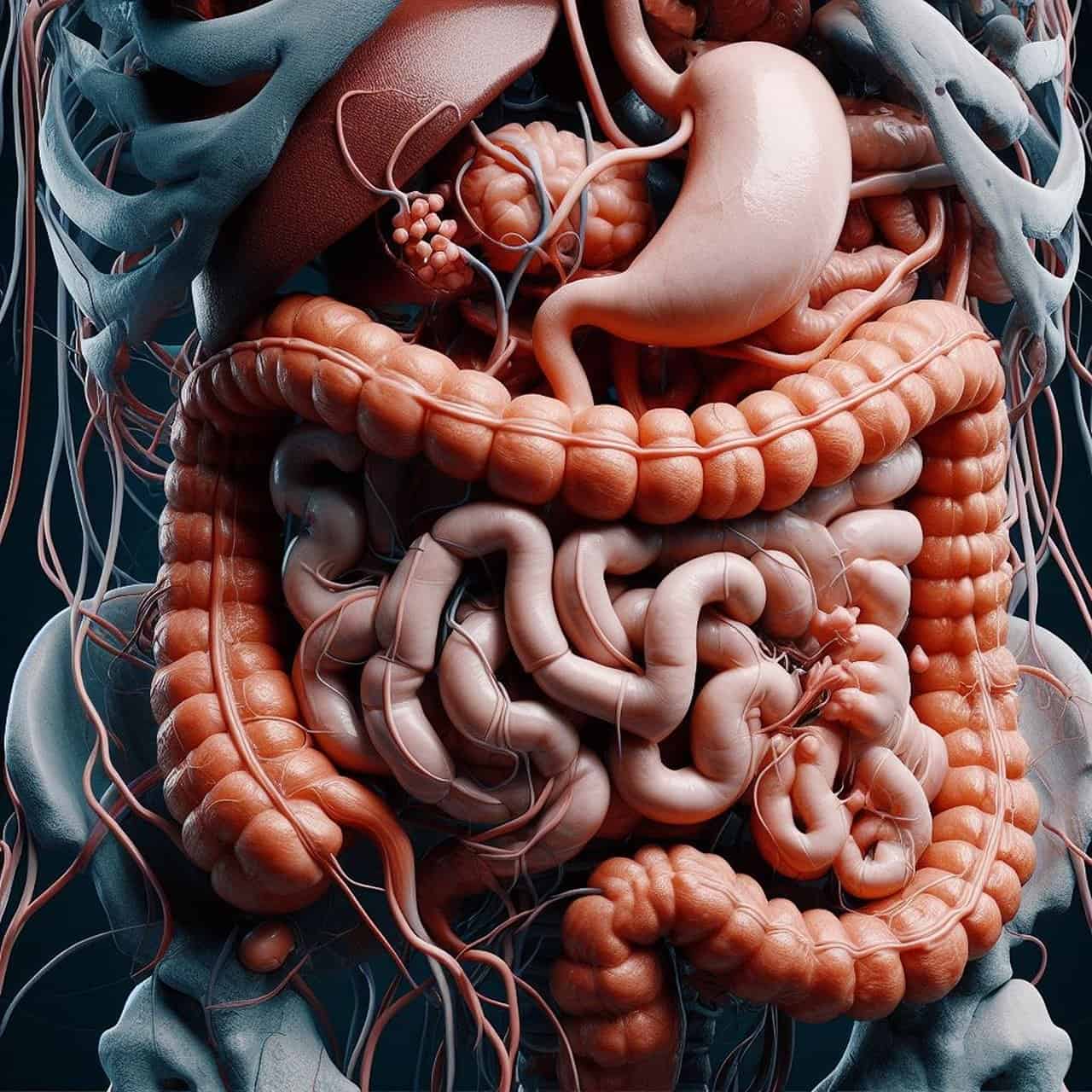
Not only is it important to understand what you’re dealing with before beginning the treatment, but it’s also useful to understand how you can handle the side effects and other complications while undergoing treatments and thereafter.
These are a few questions you can ask your cancer doctor or cancer care team:
- What are stomach cancer causes?
While no one can pinpoint an exact cause, medical professionals believe that certain lifestyle habits and age can increase the chances of getting cancer. Some risk factors include:
- Smoking tobacco
- Being over 60 years
- Alcohol consumption
- Being overweight or obese
- What stage is my stomach cancer?
Understanding the stage of cancer helps determine the severity and spread of the disease. The most common staging system is the TNM system; T stands for the size of the tumour, N describes the spread of cancer to nearby lymph nodes and M describes metastasis (spread of cancer to other parts of the body). It has 5 stages; stages 0 followed by 1-4. Each stage indicates how far the cancer has spread, with 0 being the least and 4 being the highest.
Sometimes, your gastroenterologist may describe the staging using terms such as local, regional, and distant. Local means that the cancer has not spread beyond the stomach (Cardia, Fundus, Body (corpus), Antrum, Pylorus) regional means it has spread around the stomach or close to it, and distant means the cancer has spread to another part of the body farther away from the stomach.
- What are the treatment options for my specific condition?
Careful consideration needs to be made when selecting your treatment options; you and your cancer care team will work together to decide your treatment plan, which may include more than one type of treatment. Numerous factors will influence this decision such as the stage of your stomach cancer, your overall health, and your medical history.
A few of the usual treatment procedures for stomach cancer are:
- Chemotherapy
- Radiation therapy
- Gastrectomy
- Endoscopic Mucosal Resection (EMR)
- How will the treatment affect my daily routine?
Some treatments may cause fatigue or other side effects that impact your daily activities, so it’s important to plan ahead. For instance, some treatments will alter your appetite, especially if the procedure involves removing a part of your stomach. A dietician may advise you to stay upright for some time after eating and also eat in lesser quantities.
It’s important to consult with your cancer care team prior to the treatment so you have an easier time adjusting to the new changes.
- Will I need additional therapy or medication when undergoing treatment?
Supportive medications can help with nausea, pain, or other treatment-related issues. Once again, these medications need to be taken at the discretion of your cancer care team.
- Are there any side effects from the treatment I am undergoing?
Many patients experience side effects soon after undergoing cancer treatments such as weight loss and swallowing difficulties. It’s important for you to be fully aware of the side effects before you proceed with any treatments.
- How will we monitor for cancer recurrence, and what symptoms should I watch for?
The risk of cancer returning depends on the stage of stomach cancer at diagnosis and the treatment outcome. Your gastroenterologist will inform you of how often you would need to come in for checkups. On your side, you can watch out for the signs or recurrence, which would most likely be similar to the symptoms you first experienced. Some common symptoms include constant pain, heartburn, swelling of the abdomen, etc.
Asking these questions can help a typically difficult process go by a little easier. Having an experienced team will also significantly aid in having a good treatment procedure.
If you suspect that you are displaying signs of stomach cancer, it is important you seek the opinion of a certified medical practitioner.
Consult an Experienced Gastroenterologist at Alpha Digestive and Liver Centre
Led by consultant Gastroenterologist Dr Benjamin Yip, Alpha Digestive and Liver Centre provides numerous stomach cancer screening options and personalised treatments to cater to each case. Our dedicated staff members will treat you with care and professionalism, ensuring that your stomach cancer treatment will go as smoothly as possible.
If you have further enquiries regarding the services we provide, contact us today.
References:
1. Treatment of stomach cancer. Treatment of Stomach Cancer - NCI. Accessed February 12, 2025. https://www.cancer.gov/types/stomach/treatment.
2. Canadian Cancer Society / Société canadienne du cancer. Stages of stomach cancer. Canadian Cancer Society. Accessed February 12, 2025. https://cancer.ca/en/cancer-information/cancer-types/stomach/staging#:~:text=The%20most%20common%20staging%20system,more%20the%20cancer%20has%20spread. 3. Stomach cancer (gastric cancer). NCIS. Accessed February 12, 2025. https://www.ncis.com.sg/cancer-information/cancer-types/stomach-cancer-gastric-cancer#:~:text=According%20to%20the%20World%20Health,to%20500%20lives%20every%20year
3. Stomach cancer (gastric cancer). NCIS. Accessed February 12, 2025. https://www.ncis.com.sg/cancer-information/cancer-types/stomach-cancer-gastric-cancer#:~:text=According%20to%20the%20World%20Health,to%20500%20lives%20every%20year.