
Medically reviewed by Dr Benjamin Yip, Consultant Gastroenterologist
Gallbladder stones, also known as gallstones, are one of the most common digestive conditions affecting the biliary system. While some gallbladder stones may not cause symptoms, others can lead to severe abdominal pain, infection, inflammation, and potentially serious complications if left untreated.
At Alpha Digestive & Liver Centre, we provide comprehensive diagnosis and treatment for patients with gallbladder stones in Singapore. Our goal is to identify the cause of your symptoms and recommend the most appropriate treatment plan based on your individual condition.
Experiencing Symptoms of Gallbladder Stones?
If you are experiencing upper abdominal pain, nausea, bloating, or pain after eating, our gastroenterologist can help determine whether gallbladder stones are the cause.
Book an Appointment | WhatsApp Us
What Are Gallbladder Stones?
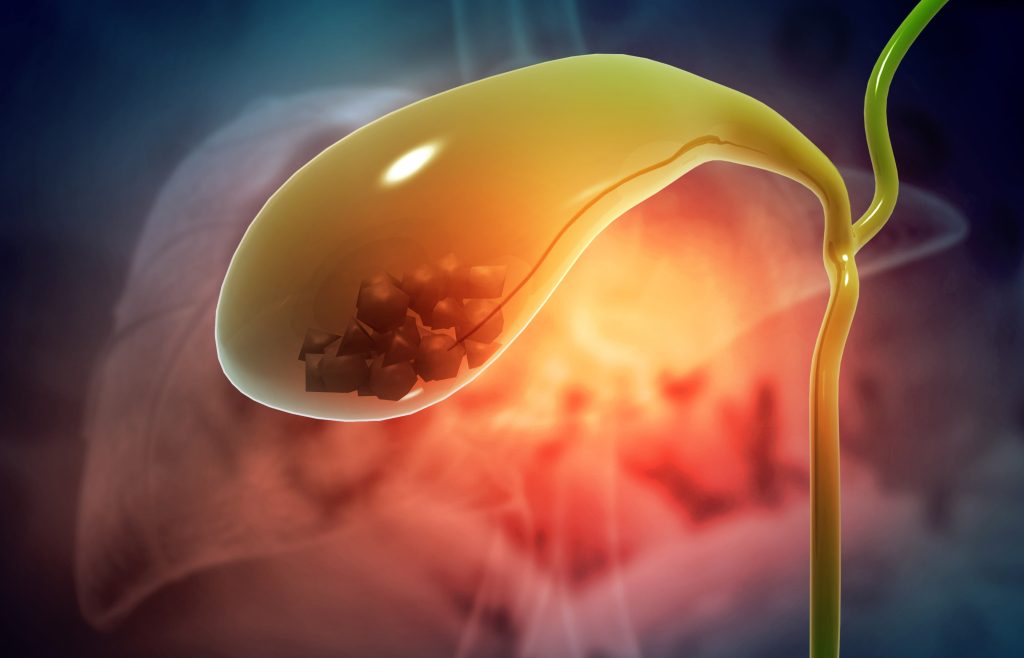
Gallbladder stones are hardened deposits that form within the gallbladder, a small organ located beneath the liver that stores bile. Bile helps the body digest fats and absorb certain nutrients.
Gallbladder stones can vary in size, ranging from tiny grains to larger stones several centimetres in diameter. Some individuals may have a single stone, while others develop multiple gallbladder stones.
Many people with gallbladder stones experience no symptoms and may only discover the condition during an ultrasound or other imaging test. However, symptomatic gallstones often require medical evaluation and treatment.
What Are the Types of Gallbladder Stones?
Cholesterol Stones
These are the most common type of gallbladder stones and are primarily composed of cholesterol. They typically develop when bile contains too much cholesterol and insufficient bile salts.
Pigment Stones
Pigment stones are smaller, darker stones made from bilirubin. They may develop in individuals with certain blood disorders, liver disease, or biliary tract conditions.
Mixed Stones
Many patients develop gallbladder stones that contain a combination of cholesterol, calcium salts, and bilirubin.
What Causes Gallbladder Stones?
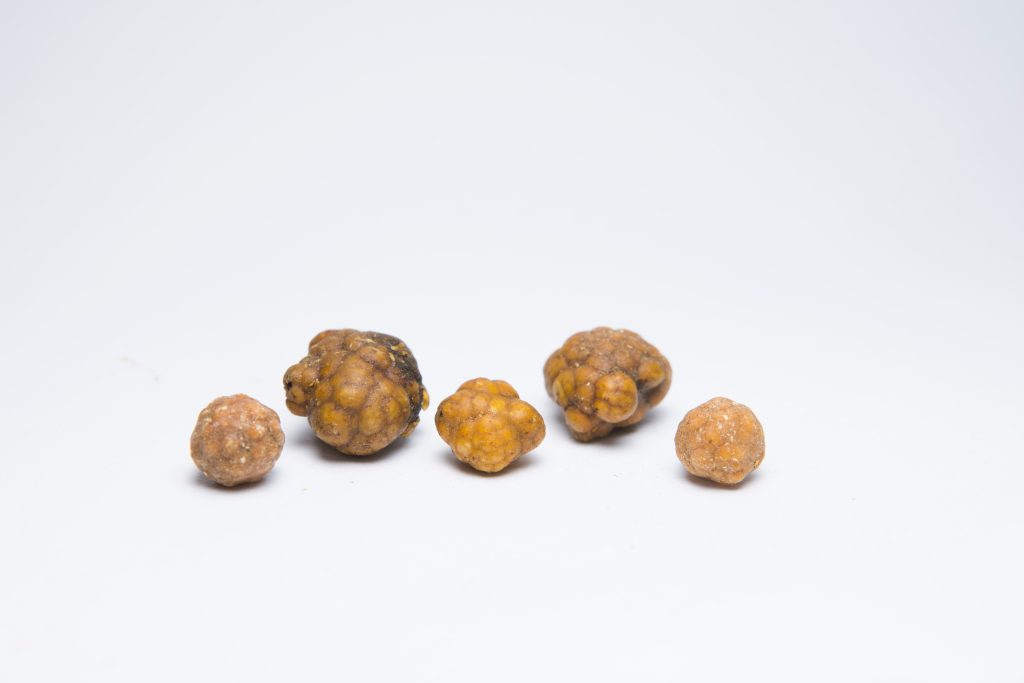
Gallbladder stones form when there is an imbalance in the substances that make up bile.
Common causes and risk factors include:
- Excess cholesterol in bile
- Incomplete emptying of the gallbladder
- Obesity
- Rapid weight loss
- Diabetes
- Pregnancy
- Family history of gallstones
- Increasing age
- Female gender
- Liver disease
The risk of developing gallbladder stones generally increases with age and certain lifestyle factors.
What Are the Symptoms of Gallbladder Stones?
Many people search for information about gallbladder stones when experiencing abdominal pain or digestive discomfort.
Common Symptoms of Gallbladder Stones
- Pain in the upper right abdomen
- Sudden episodes of abdominal pain (biliary colic)
- Pain after eating fatty foods
- Nausea
- Vomiting
- Indigestion
- Bloating
- Excessive burping
The pain may last from several minutes to several hours and can sometimes radiate to the back or right shoulder.
Silent Gallbladder Stones
Some individuals have gallbladder stones without symptoms. These are often referred to as "silent gallstones" and may not require immediate treatment.
Warning Signs That Require Urgent Medical Attention
Seek immediate medical care if you experience:
- Fever
- Chills
- Jaundice (yellowing of the skin or eyes)
- Dark urine
- Pale stools
- Severe abdominal pain lasting several hours
These symptoms may indicate complications such as infection, bile duct obstruction, or pancreatitis.
How Are Gallbladder Stones Diagnosed?
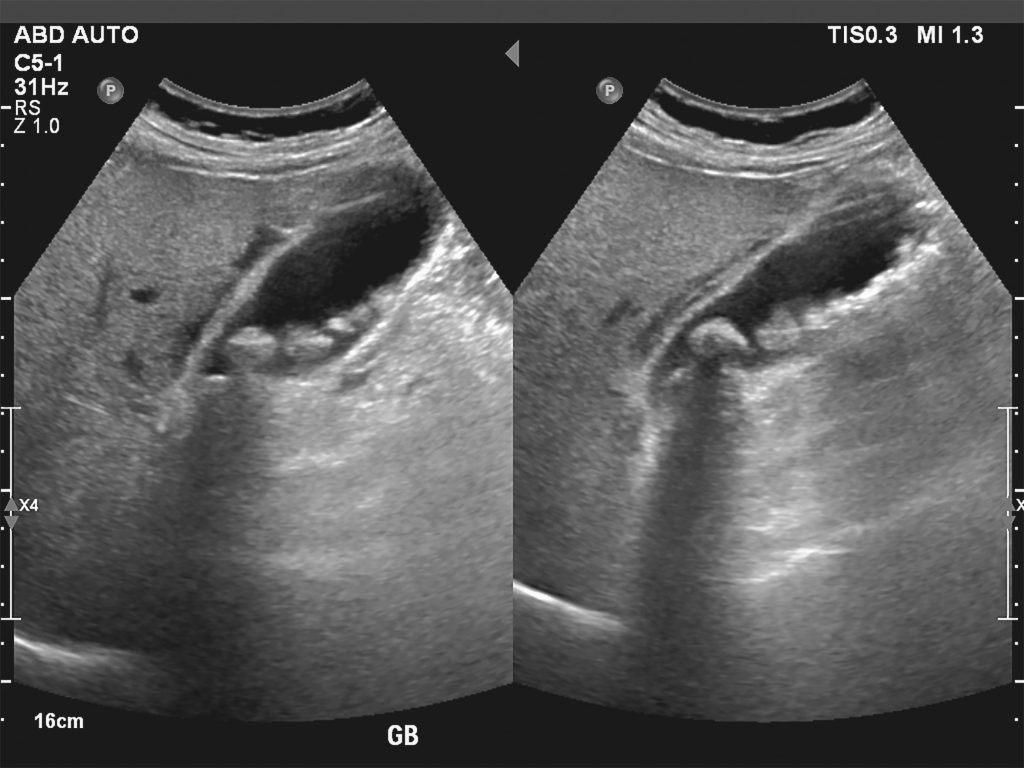
If gallbladder stones are suspected, your gastroenterologist may recommend one or more diagnostic tests.
Medical History and Physical Examination
A detailed review of symptoms and risk factors is often the first step.
Ultrasound
Ultrasound is the most common and effective investigation for detecting gallbladder stones. It allows visualisation of the gallbladder and can identify stones, inflammation, and bile duct abnormalities.
Magnetic Resonance Cholangiopancreatography (MRCP)
MRCP is a specialised MRI scan used to evaluate the bile ducts, gallbladder, and pancreas.
This test may be recommended if bile duct stones or other complications are suspected.
CT Scan
CT scans may be used in selected cases to assess complications or alternative causes of abdominal pain.
Not Sure What Is Causing Your Symptoms?
Symptoms of gallbladder stones may overlap with bile duct stones, gastritis, ulcers, liver conditions, and pancreatic disorders.
Schedule a consultation with Dr Benjamin Yip for a comprehensive digestive assessment.
How Are Gallbladder Stones Treated?
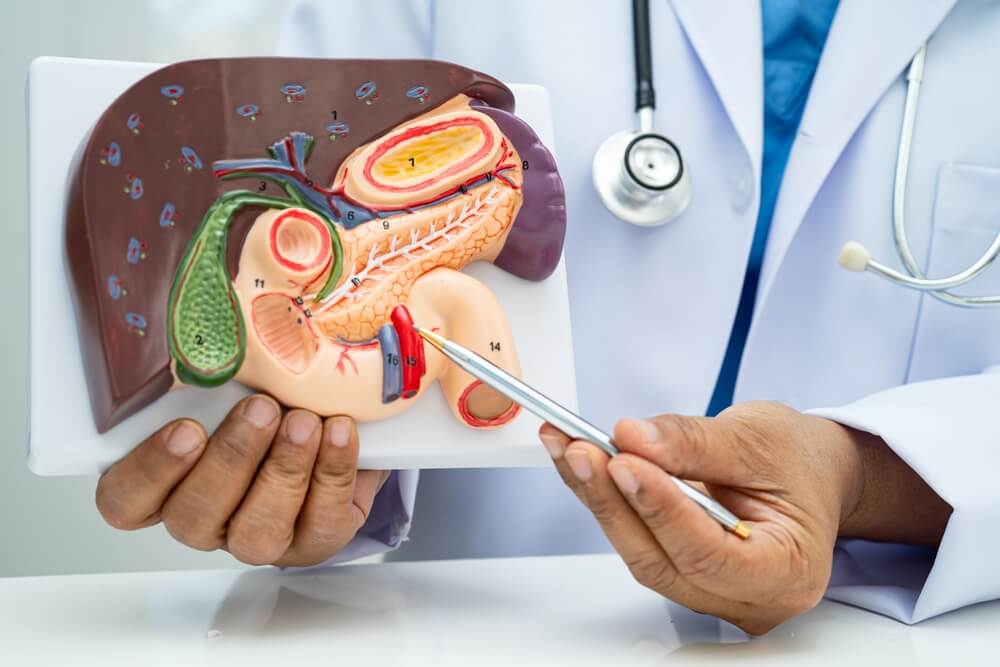
Treatment depends on whether the gallbladder stones are causing symptoms and whether complications are present.
Observation
Patients with asymptomatic gallbladder stones may not require immediate treatment and can often be monitored.
Lifestyle and Dietary Modifications
Patients may be advised to:
- Reduce fatty food intake
- Maintain a healthy weight
- Exercise regularly
- Avoid rapid weight loss
Medications
In selected cases, medications may be prescribed to help dissolve cholesterol-based gallstones. However, these are generally less effective than definitive treatment options.
Cholecystectomy (Gallbladder Removal Surgery)
For patients experiencing recurrent symptoms or complications, surgical removal of the gallbladder may be recommended.
Cholecystectomy is considered the most effective long-term treatment for symptomatic gallbladder stones.
ERCP
If gallbladder stones have migrated into the bile ducts, an ERCP procedure may be required to remove the stones and restore bile flow.
What Complications Can Occur if Gallbladder Stones Are Left Untreated?
Untreated gallbladder stones may lead to several complications, including:
Cholecystitis
Inflammation of the gallbladder caused by blockage of the cystic duct.
Cholangitis
A serious infection of the bile ducts that requires urgent medical treatment.
Pancreatitis
Gallstones can block the pancreatic duct and trigger inflammation of the pancreas.
Gallbladder Perforation
Severe inflammation can occasionally result in rupture of the gallbladder.
Early diagnosis and treatment can help prevent these complications.
How Can Gallbladder Stones Be Prevented?
While not all cases can be prevented, the following measures may help reduce the risk:
- Maintain a healthy body weight
- Eat a balanced diet rich in fibre
- Exercise regularly
- Avoid rapid weight loss
- Manage diabetes effectively
- Reduce excessive consumption of fatty foods
When Should You See a Gastroenterologist for Gallbladder Stones?
You should seek medical attention if:
- You experience recurrent abdominal pain
- Symptoms occur after meals
- Pain interferes with daily activities
- You develop fever or jaundice
- Symptoms continue to worsen
Prompt evaluation can help prevent complications and identify the most appropriate treatment option.
Why Choose Alpha Digestive and Liver Centre for Gallbladder Stone Treatment in Singapore?
At Alpha Digestive & Liver Centre, patients receive care from gastroenterologist Dr. Benjamin Yip.
We offer:
- Comprehensive digestive and hepatobiliary assessments
- Advanced diagnostic investigations
- Ultrasound and MRCP referrals
- ERCP evaluation and management
- Personalised treatment plans
- Evidence-based patient care
Our team is committed to helping patients receive diagnoses and treatment for gallbladder stones and related digestive conditions.
Frequently Asked Questions (FAQs)
What are the symptoms of gallbladder stones?
Common symptoms include upper abdominal pain, nausea, vomiting, bloating, and pain after eating fatty meals.
Can gallbladder stones go away naturally?
Most gallbladder stones do not disappear on their own and may require monitoring or treatment.
Do all gallbladder stones require surgery?
No. Patients without symptoms may not require immediate treatment. Surgery is generally recommended for symptomatic gallstones.
What foods should I avoid if I have gallbladder stones?
Fatty, fried, and highly processed foods may trigger symptoms in some patients.
Can gallbladder stones cause pancreatitis?
Yes. Gallstones can block the pancreatic duct and lead to acute pancreatitis.
How are gallbladder stones diagnosed?
Ultrasound is the most commonly used test. Additional investigations may include MRCP or CT scans.
When should I see a gastroenterologist?
You should seek medical attention if symptoms recur, worsen, or are associated with fever, jaundice, or severe pain.
Book an Appointment
If you are experiencing symptoms of gallbladder stones or have been diagnosed with gallstones, our team can help determine the most appropriate treatment option.