
Medically Reviewed by Dr Benjamin Yip, Consultant Gastroenterologist
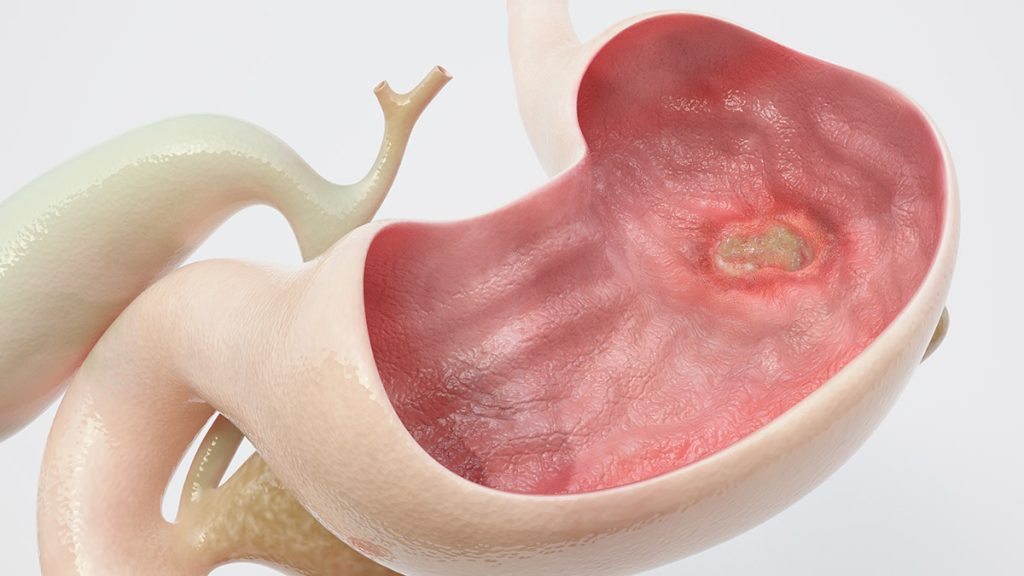
Peptic ulcer disease is a common digestive condition that occurs when open sores develop in the lining of the stomach or the first part of the small intestine (duodenum). These ulcers form when the protective lining of the digestive tract becomes damaged, allowing stomach acid to irritate the underlying tissue.
While some ulcers cause only mild discomfort, others can lead to serious complications such as bleeding, perforation, and obstruction if left untreated.
At Alpha Digestive & Liver Centre, we provide comprehensive evaluation and treatment for patients with peptic ulcer disease in Singapore, helping identify the underlying cause and develop an effective treatment plan.
Experiencing Symptoms of Peptic Ulcer Disease?
Persistent stomach pain, bloating, nausea, indigestion, or burning discomfort may indicate peptic ulcer disease or another digestive condition.
Book an Appointment | WhatsApp Us
What Is Peptic Ulcer Disease?
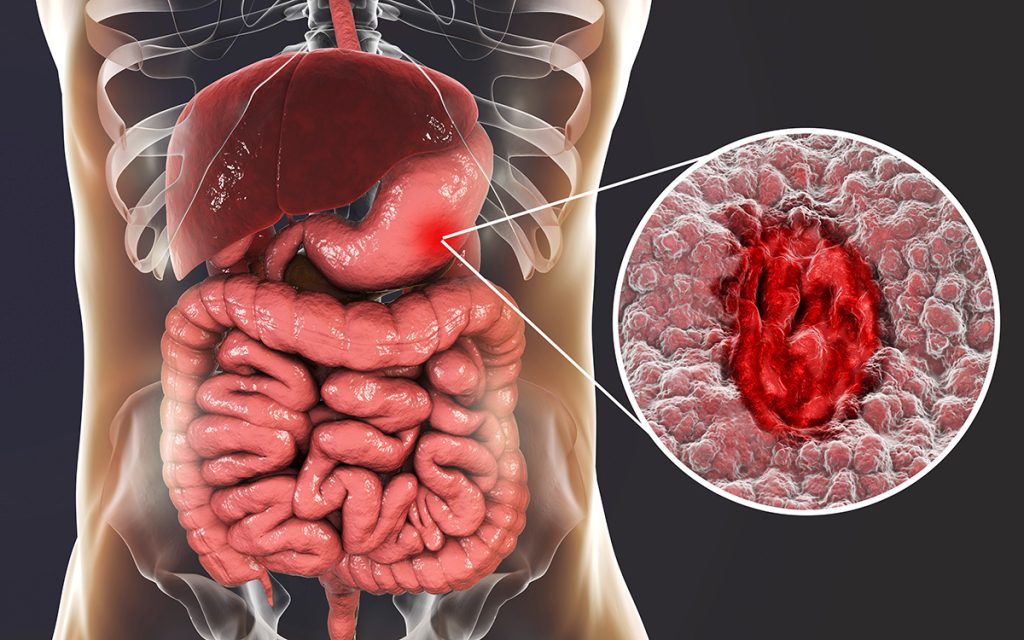
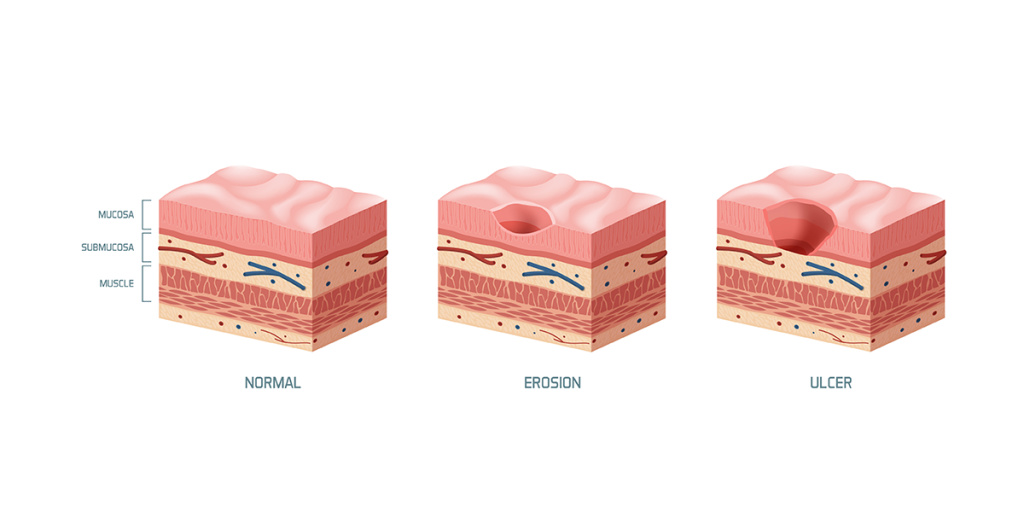
Peptic ulcer disease refers to ulcers that develop within the digestive tract.
There are two main types:
Gastric Ulcers
Gastric ulcers develop in the lining of the stomach.
Duodenal Ulcers
Duodenal ulcers develop in the duodenum, which is the first section of the small intestine immediately after the stomach.
These ulcers occur when digestive acids damage the protective lining of the digestive tract.
What Are the Symptoms of Peptic Ulcer Disease?
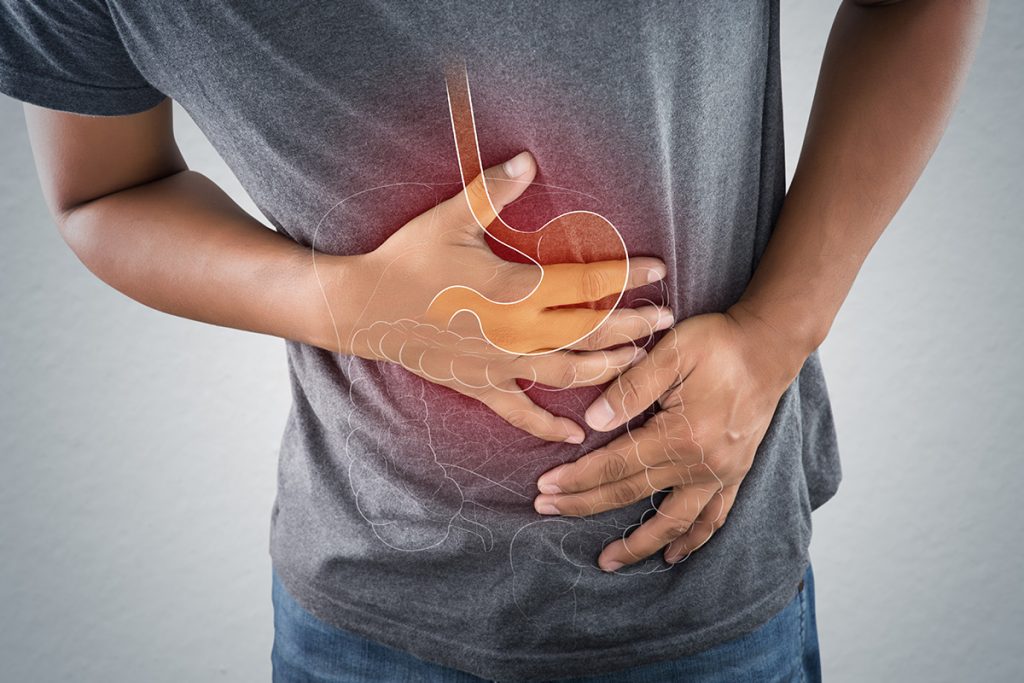
Symptoms vary depending on the location and severity of the ulcer.
Common Symptoms of Peptic Ulcer Disease
- Burning stomach pain
- Upper abdominal pain
- Indigestion
- Bloating
- Nausea
- Vomiting
- Loss of appetite
- Feeling full quickly after eating
- Excessive burping
Many patients notice symptoms worsen when the stomach is empty or several hours after eating.
Symptoms of Gastric Ulcers
Patients with gastric ulcers may experience:
- Pain shortly after meals
- Nausea
- Early satiety
- Weight loss
Symptoms of Duodenal Ulcers
Patients with duodenal ulcers often experience:
- Pain several hours after eating
- Night-time abdominal pain
- Temporary symptom relief after eating
Warning Signs of a Bleeding Ulcer
Seek urgent medical attention if you experience:
- Vomiting blood
- Black or tarry stools
- Dizziness
- Fainting
- Significant fatigue
- Severe abdominal pain
These symptoms may indicate ulcer bleeding or other serious complications.
What Causes Peptic Ulcer Disease?
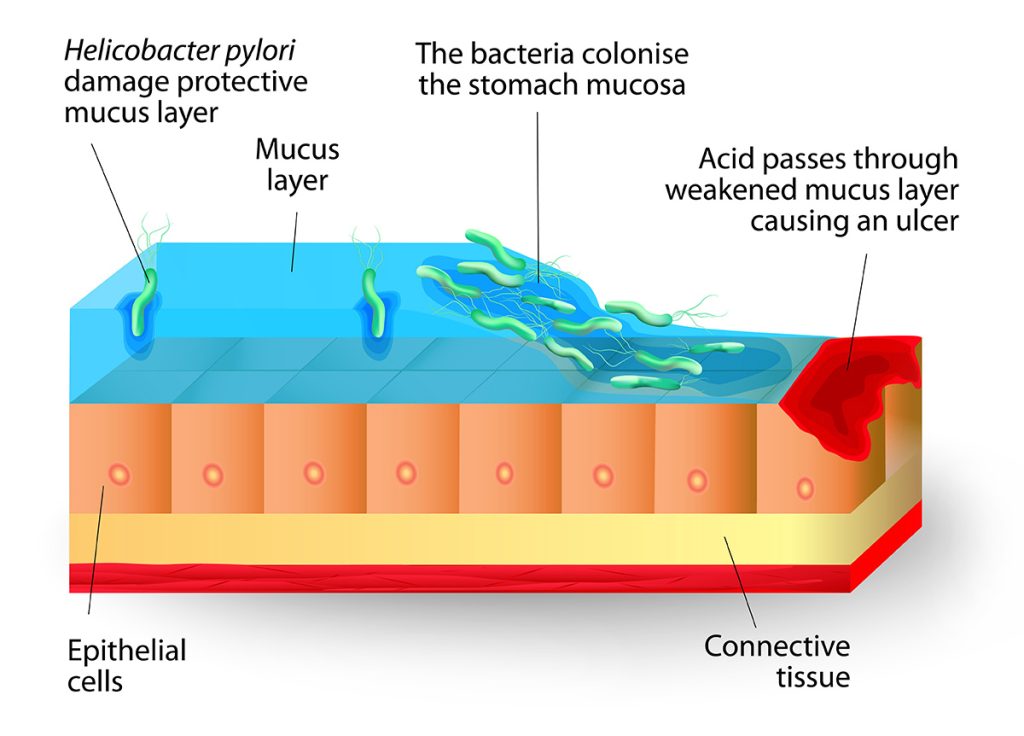
Several factors can damage the protective lining of the digestive tract and contribute to ulcer formation.
Helicobacter pylori (H. pylori) Infection
H. pylori infection is one of the most common causes of peptic ulcer disease worldwide.
This bacterium weakens the protective mucus layer of the stomach and duodenum, making them more vulnerable to acid-related damage.
Not everyone with H. pylori develops ulcers, but the infection significantly increases the risk.
Long-Term Use of NSAIDs
Non-steroidal anti-inflammatory drugs (NSAIDs) such as:
- Aspirin
- Ibuprofen
- Naproxen
can reduce the stomach's protective mechanisms and increase ulcer risk.
Other Risk Factors
- Smoking
- Excessive alcohol consumption
- Severe physical stress
- Previous ulcer disease
- Certain medications
- Chronic medical conditions
How Does H. pylori Cause Peptic Ulcer Disease?
H. pylori bacteria can survive within the acidic environment of the stomach.
Over time, the infection causes chronic inflammation that weakens the protective lining and increases susceptibility to acid injury.
This can result in:
- Gastritis
- Duodenitis
- Gastric ulcers
- Duodenal ulcers
Because H. pylori is a major cause of peptic ulcer disease, testing is often recommended when ulcers are suspected.
How Is Peptic Ulcer Disease Diagnosed?

Accurate diagnosis is important because ulcer symptoms may overlap with other digestive conditions such as gastritis, GERD, stomach cancer, and functional dyspepsia.
Medical History and Physical Examination
A detailed review of symptoms, medications, lifestyle factors, and medical history is performed.
Blood Tests
Blood tests may be used to assess:
- Anaemia
- Infection
- Inflammation
- General health status
H. pylori Testing
Several tests are available to detect H. pylori infection:
- Breath test
- Stool antigen test
- Blood tests
- Biopsy during gastroscopy
Gastroscopy
Gastroscopy is often the most important investigation for peptic ulcer disease.
A flexible camera is inserted through the mouth to examine:
- Oesophagus
- Stomach
- Duodenum
Gastroscopy allows direct visualisation of ulcers and enables tissue sampling if required.
Need a Gastroscopy Evaluation?
Persistent stomach pain, bloating, nausea, or suspected ulcer symptoms should be properly investigated.
Schedule a consultation with Dr Benjamin Yip today.
Peptic Ulcer Disease Treatment in Singapore
Treatment depends on the cause, severity, and presence of complications.
Proton Pump Inhibitors (PPIs)
PPIs reduce stomach acid production and allow ulcers to heal.
Common examples include:
- Omeprazole
- Esomeprazole
- Pantoprazole
These medications are often prescribed for several weeks depending on ulcer severity.
H. pylori Eradication Therapy
If H. pylori infection is identified, treatment typically involves:
- Antibiotics
- Acid suppression medication
Successful eradication significantly reduces the risk of ulcer recurrence.
Discontinuing NSAIDs
Where possible, patients may be advised to reduce or discontinue NSAID use.
Alternative medications may be recommended when appropriate.
Lifestyle and Dietary Modifications
Patients are often advised to:
- Stop smoking
- Reduce alcohol intake
- Avoid unnecessary NSAID use
- Manage stress
- Eat regular meals
- Avoid foods that worsen symptoms
Lifestyle modifications support healing and help reduce recurrence.
Endoscopic Treatment
Some bleeding ulcers may require endoscopic therapy during gastroscopy.
This may involve:
- Injection therapy
- Thermal coagulation
- Endoscopic clips
These procedures help control active bleeding.
Surgery
Surgery is rarely required today but may be necessary in selected cases involving:
- Perforation
- Severe bleeding
- Gastric outlet obstruction
- Recurrent ulcers despite treatment
Can Peptic Ulcer Disease Be Prevented?
While prevention is not always possible, the following measures may reduce risk:
- Avoid unnecessary NSAID use
- Treat H. pylori infection when present
- Stop smoking
- Limit alcohol consumption
- Manage chronic medical conditions
- Seek treatment for persistent digestive symptoms
Early intervention can prevent complications and improve long-term outcomes.
What Complications Can Occur if Peptic Ulcer Disease Is Left Untreated?
Untreated peptic ulcer disease may lead to serious complications.
Gastrointestinal Bleeding
Ulcers can erode blood vessels and cause bleeding.
Perforation
A perforated ulcer creates a hole in the stomach or intestinal wall and requires emergency treatment.
Gastric Outlet Obstruction
Severe inflammation or scarring may block the normal passage of food.
Iron Deficiency Anaemia
Chronic ulcer bleeding may result in long-term blood loss and anaemia.
Early diagnosis and treatment help reduce these risks.
When Should You See a Gastroenterologist?
You should seek specialist evaluation if:
- Symptoms persist for more than two weeks
- Symptoms recur frequently
- Over-the-counter medications are ineffective
- You develop rectal bleeding or vomiting blood
- You experience unexplained weight loss
- You have persistent indigestion or abdominal pain
Prompt evaluation can help identify ulcers and rule out other digestive conditions.
Why Choose Alpha Digestive and Liver Centre for Peptic Ulcer Disease Treatment?
At Alpha Digestive & Liver Centre, patients receive specialised care from Dr Benjamin Yip, consultant gastroenterologist.
We provide:
- Comprehensive digestive assessments
- Gastroscopy services
- H. pylori testing
- Specialised diagnostic investigations
- Personalised treatment plans
- Evidence-based digestive care
Our goal is to accurately diagnose the cause of your symptoms and provide effective treatment that promotes long-term digestive health.
Frequently Asked Questions (FAQs)
What is peptic ulcer disease?
Peptic ulcer disease occurs when open sores develop in the lining of the stomach or duodenum due to acid-related damage.
What causes peptic ulcer disease?
The most common causes are H. pylori infection and long-term use of NSAID medications.
Can peptic ulcers heal on their own?
Some ulcers may improve temporarily, but proper evaluation and treatment are often necessary to prevent recurrence and complications
How long does peptic ulcer treatment take?
Most ulcers improve within several weeks with appropriate medication and treatment of underlying causes.
Can H. pylori cause ulcers?
Yes. H. pylori infection is one of the leading causes of peptic ulcer disease worldwide.
Is peptic ulcer disease serious?
While many ulcers are treatable, untreated ulcers can lead to bleeding, perforation, and other serious complications.
When should I see a specialist?
You should seek medical attention if symptoms persist, worsen, or are associated with bleeding or weight loss.
Book an Appointment
If you are experiencing symptoms of peptic ulcer disease, persistent stomach pain, bloating, nausea, or indigestion, our team can help.
Schedule a consultation with Dr Benjamin Yip today for diagnosis and treatment of peptic ulcer disease in Singapore.