
Medically Reviewed by Dr Benjamin Yip, Consultant Gastroenterologist
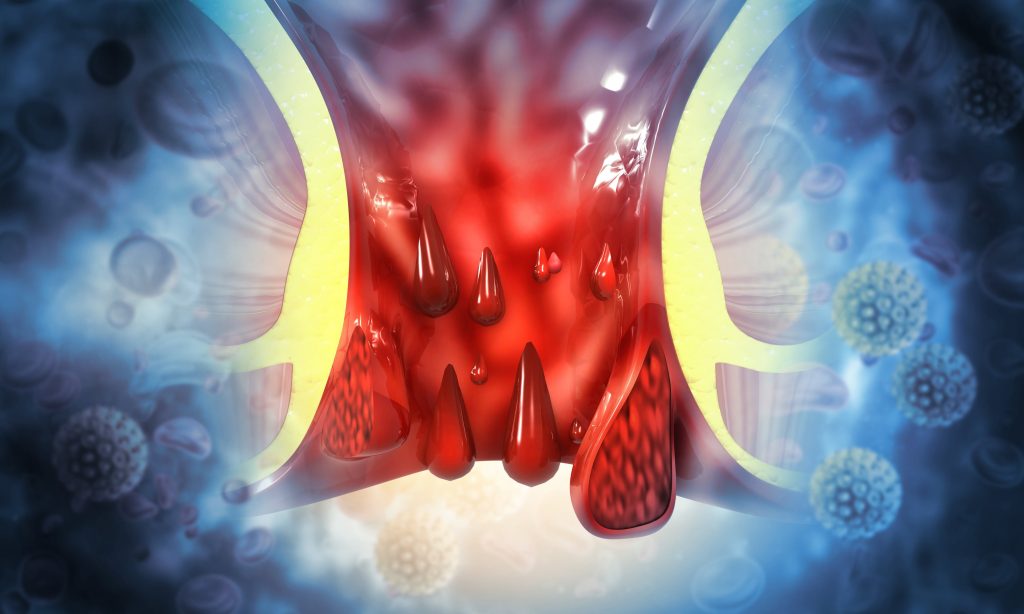
Haemorrhoids, also known as piles, are swollen veins that develop in the lower rectum or around the anus. They are a common condition that can cause discomfort, itching, swelling, pain, and rectal bleeding.
While mild haemorrhoids may improve with lifestyle modifications, some cases require medical treatment to relieve symptoms and prevent complications.
At Alpha Digestive & Liver Centre, we provide comprehensive evaluation and haemorrhoids treatment in Singapore, helping patients identify the cause of their symptoms and determine the most appropriate treatment option.
Experiencing Haemorrhoid Symptoms?
If you are experiencing rectal bleeding, anal discomfort, itching, swelling, or a prolapsing lump, our gastroenterologist can assess your condition and recommend comprehensive treatment.
Book an Appointment | WhatsApp Us
What Are Haemorrhoids?
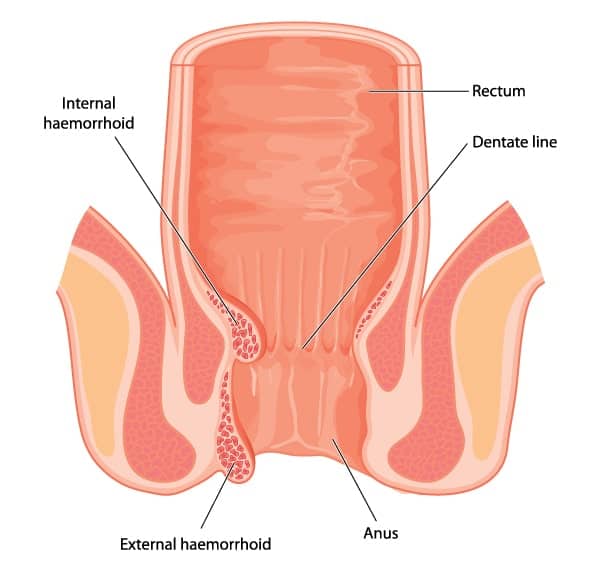
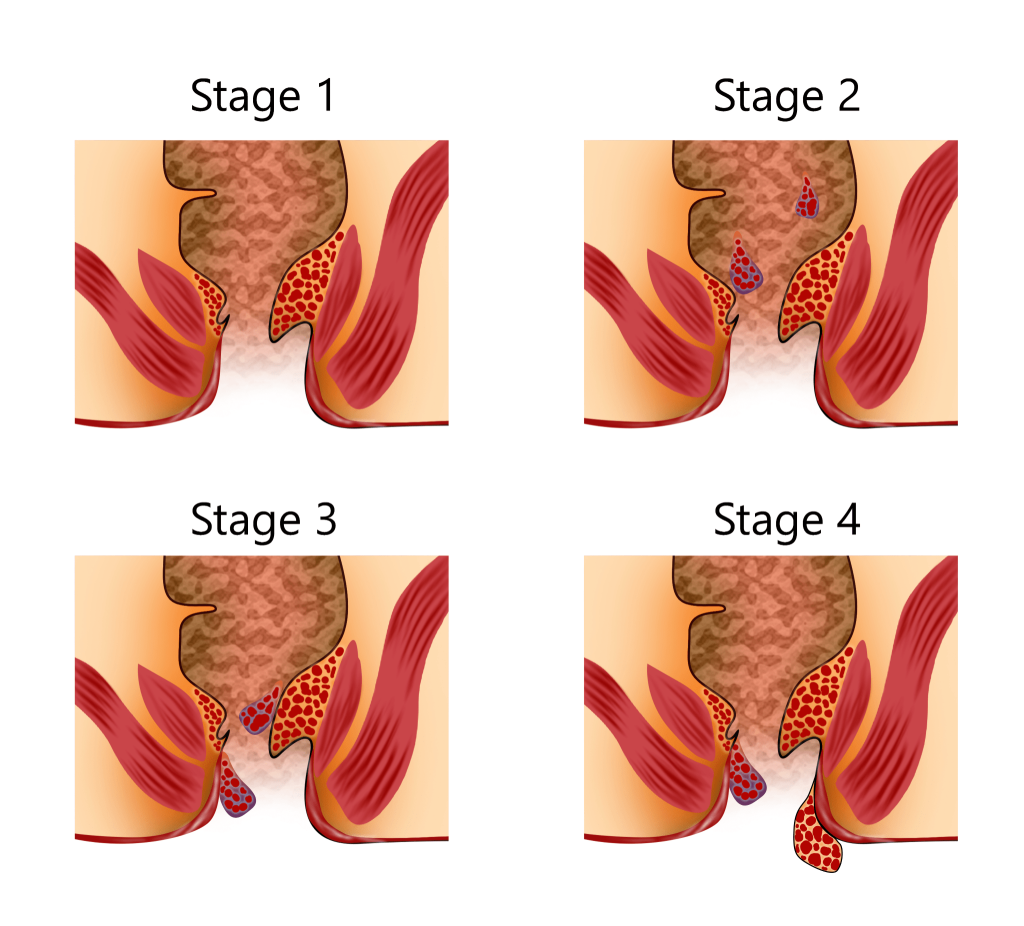
Haemorrhoids are enlarged veins located in the anal canal and lower rectum. Similar to varicose veins in the legs, these veins can become swollen due to increased pressure.
Haemorrhoids are extremely common and can affect adults of all ages. While some people experience no symptoms, others may develop discomfort that affects daily activities and quality of life.
There are two main types of haemorrhoids:
Internal Hemorrhoids
Internal haemorrhoids develop inside the rectum and are usually painless. However, they may cause bleeding during bowel movements and can occasionally prolapse outside the anus.
External Hemorrhoids
External haemorrhoids develop beneath the skin around the anus and may cause:
- Pain
- Itching
- Swelling
- Tenderness
- Discomfort when sitting
What Are the Symptoms of Haemorrhoids?
Symptoms vary depending on the size, location, and severity of the haemorrhoids.
Common Haemorrhoid Symptoms
- Bright red blood during bowel movements
- Itching around the anus
- Pain or discomfort
- Swelling near the anus
- A lump around the anal area
- Mucus discharge
- A feeling of incomplete bowel emptying
Symptoms of Internal Haemorrhoids
Internal haemorrhoids commonly cause:
- Painless rectal bleeding
- Tissue protruding from the anus during bowel movements
- Mucus discharge
Symptoms of External Haemorrhoids
External haemorrhoids may cause:
- Pain
- Swelling
- Tenderness
- Itching
- Difficulty sitting comfortably
When Should You Seek Urgent Medical Attention?
Consult a doctor promptly if you experience:
- Persistent rectal bleeding
- Significant pain
- Sudden swelling
- Black stools
- Unexplained weight loss
- Changes in bowel habits
Not all rectal bleeding is caused by haemorrhoids. Other conditions, including colorectal polyps, inflammatory bowel disease, and colorectal cancer, can present with similar symptoms.
What Causes Haemorrhoids?
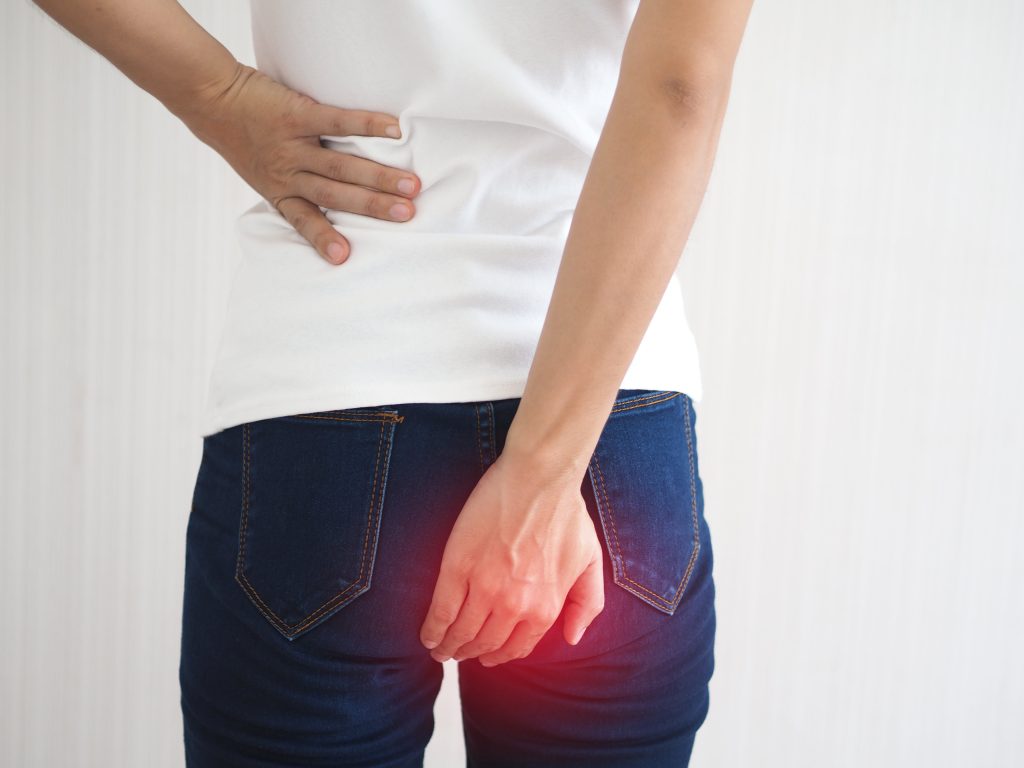
Haemorrhoids develop when pressure increases within the veins of the rectum and anus.
Common causes include:
- Chronic constipation
- Straining during bowel movements
- Prolonged sitting on the toilet
- Chronic diarrhoea
- Pregnancy
- Obesity
- Heavy lifting
- Low-fibre diets
- Increasing age
These factors may weaken the supporting tissues around the veins, increasing the likelihood of haemorrhoid formation.
How Are Haemorrhoids Diagnosed?
Accurate diagnosis is important because many digestive conditions can cause symptoms similar to haemorrhoids.
Medical History and Physical Examination
Your doctor will assess your symptoms, medical history, bowel habits, and risk factors.
Digital Rectal Examination
A physical examination may be performed to assess for abnormalities and identify potential causes of symptoms.
Proctoscopy
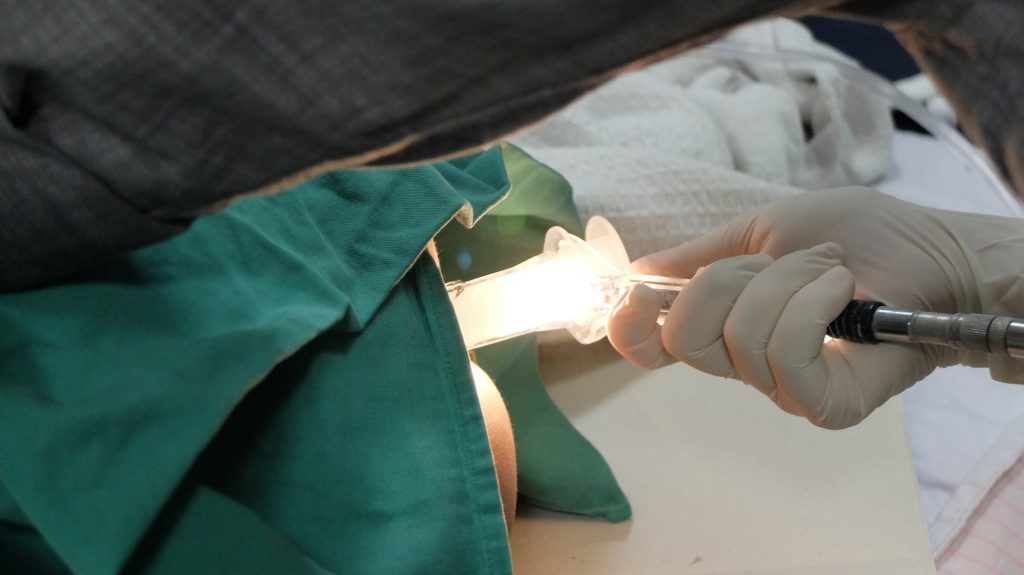
A proctoscope may be used to examine the anal canal and lower rectum more closely.
Colonoscopy
A colonoscopy may be recommended if:
- Rectal bleeding is present
- Symptoms are atypical
- There is concern about other digestive conditions
- You are due for colorectal cancer screening
Need a Haemorrhoid Evaluation?
Persistent rectal bleeding should never be ignored. Our gastroenterologist can determine whether your symptoms are caused by haemorrhoids or another digestive condition.
Haemorrhoids Treatment in Singapore
Treatment depends on the severity of symptoms and the type of haemorrhoids present.
Lifestyle and Dietary Changes
For mild haemorrhoids, treatment often begins with lifestyle modifications.
Recommendations include:
- Increasing dietary fibre intake
- Drinking adequate water
- Exercising regularly
- Avoiding prolonged straining
- Limiting time spent sitting on the toilet
These measures may help reduce symptoms and prevent recurrence.
Medications
Certain medications may help relieve symptoms.
These include:
- Topical creams
- Anti-inflammatory preparations
- Pain-relieving medications
- Stool softeners
Medication may provide symptom relief but does not eliminate the underlying haemorrhoids.
Rubber Band Ligation
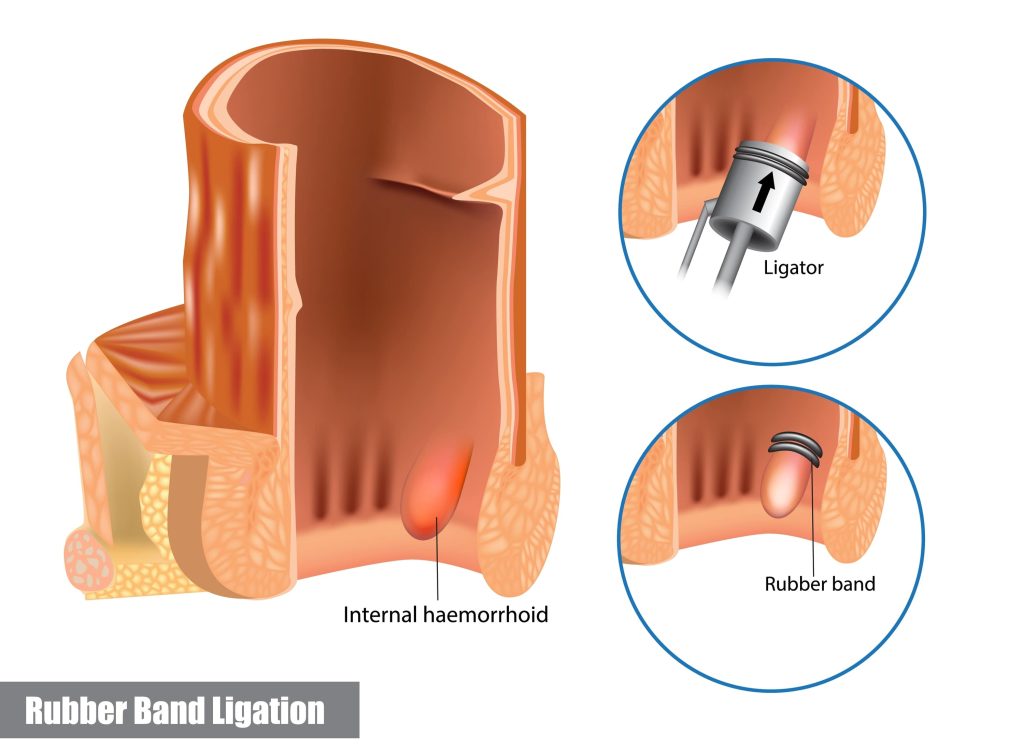
Rubber band ligation is one of the most common non-surgical treatments for internal haemorrhoids.
A small rubber band is placed around the haemorrhoid, cutting off its blood supply. The haemorrhoid gradually shrinks and falls off.
Benefits include:
- Minimally invasive
- Performed as an outpatient procedure
- Quick recovery
Sclerotherapy
Sclerotherapy involves injecting a special solution into the haemorrhoid.
This treatment causes the haemorrhoid to shrink over time and is typically used for smaller internal haemorrhoids.
Infrared Coagulation
Infrared coagulation uses heat energy to shrink haemorrhoidal tissue.
This treatment is generally suitable for selected internal haemorrhoids and can be performed as a day procedure.
Hemorrhoid Surgery
Surgery may be recommended for:
- Large hemorrhoids
- Recurrent hemorrhoids
- Prolapsed hemorrhoids
- Persistent symptoms despite other treatments
Surgical options include haemorrhoidectomy and other advanced procedures depending on the individual case.
What Complications Can Occur if Haemorrhoids Are Left Untreated?
While haemorrhoids are generally not life-threatening, untreated cases can lead to complications such as:
Anaemia
Chronic bleeding may result in iron deficiency anaemia over time.
Thrombosed Hemorrhoids
A blood clot may develop within an external haemorrhoid, causing severe pain and swelling.
Persistent Prolapse
Internal haemorrhoids may progressively enlarge and remain protruded outside the anus.
Ongoing Discomfort
Symptoms may become increasingly disruptive to daily activities and quality of life.
How Can Haemorrhoids Be Prevented?
The following measures may help reduce the risk of haemorrhoids:
- Eat a high-fibre diet
- Drink plenty of water
- Exercise regularly
- Avoid prolonged sitting
- Avoid excessive straining
- Respond promptly to the urge to have a bowel movement
- Maintain a healthy body weight
When Should You See a Gastroenterologist for Haemorrhoids?
You should seek medical attention if:
- Symptoms persist despite home treatment
- Rectal bleeding continues
- Pain becomes severe
- Haemorrhoids recur frequently
- A prolapsing haemorrhoid develops
- Symptoms interfere with daily activities
Early assessment can help determine the most appropriate treatment option and rule out other digestive conditions.
Why Choose Alpha Digestive and Liver Centre for Haemorrhoids Treatment in Singapore?
At Alpha Digestive & Liver Centre, patients receive specialised care from Dr Benjamin Yip, consultant gastroenterologist.
We offer:
- Comprehensive digestive assessments
- Evaluation of rectal bleeding
- Colonoscopy services
- Evidence-based haemorrhoid treatments
- Personalised treatment plans
- Access to advanced diagnostic investigations
Our goal is to provide tailored treatment while addressing the underlying cause of your symptoms.
Frequently Asked Questions (FAQs)
What is a suitable treatment for haemorrhoids?
The best treatment depends on the severity of the haemorrhoids. Options may include lifestyle changes, medications, rubber band ligation, sclerotherapy, or surgery.
Do haemorrhoids go away on their own?
Some mild haemorrhoids may improve with dietary and lifestyle changes. A doctor should evaluate persistent symptoms.
When do haemorrhoids require surgery?
Surgery may be recommended for large, prolapsed, recurrent, or symptomatic haemorrhoids that do not respond to conservative treatment.
Can haemorrhoids cause bleeding?
Yes. Bright red rectal bleeding during bowel movements is one of the most common symptoms of haemorrhoids.
Are haemorrhoids dangerous?
Most haemorrhoids are not dangerous, but persistent bleeding and severe symptoms should always be assessed by a specialist.
Can haemorrhoids come back after treatment?
Yes. Recurrence is possible, particularly if contributing factors such as constipation or straining are not addressed.
When should I see a specialist?
You should seek medical attention if symptoms persist, bleeding occurs, or symptoms affect your quality of life.
Book an Appointment
If you are experiencing rectal bleeding, anal discomfort, swelling, itching, or other symptoms of haemorrhoids, our team can help.
Schedule a consultation with Dr Benjamin Yip today for evaluation and personalised haemorrhoid treatment in Singapore.